Abby McCloskey: A case for childlike wonder in a grown-up world
Published in Op Eds
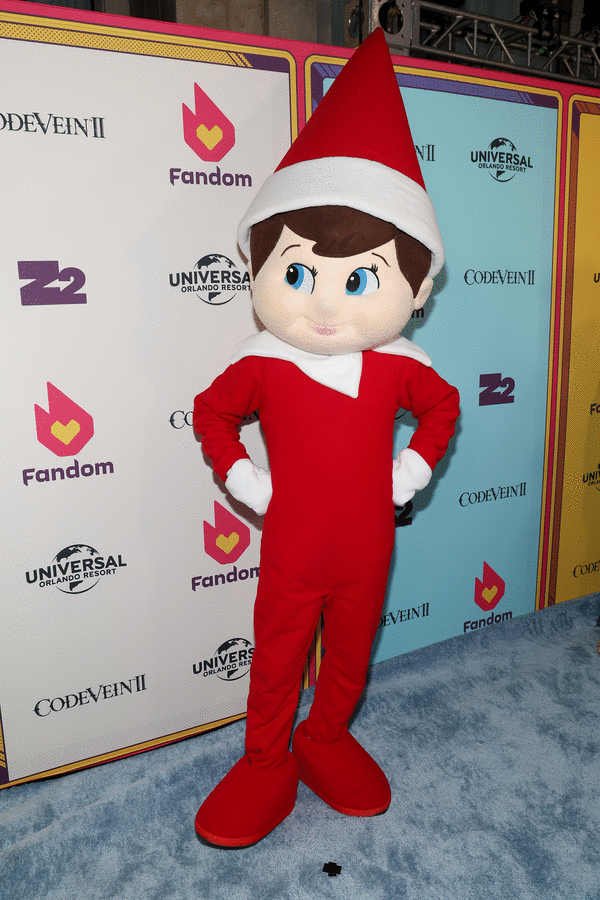
I got my son an Elf on the Shelf this year. Do I regret it? Absolutely. But it reminded me of something this holiday season, something too easy to forget in our modern age.
For an otherwise bright child, my son is convinced that the elf is real in the sense that he moves himself around the house at night and ends up in all sorts of compromising positions by morning. The elf can even help with various tasks during the wee morning hours. (Unfortunately, I got blank stares when I asked Tinsel to write this column.)
My son believes that the elf is, in a word, enchanted. I never knew this about my child before getting the elf. I wonder how many other things he believes to be enchanted, too.
It’s what so many of us crave this darkest time of year. The presents, the twinkle lights, the feasts, the songs, long evenings around fireplaces with loved ones. The hope is that it will all add up to more than the sum of the parts. And maybe if the parts are big enough, we might well summon the Christmas spirit.
Not so long ago, humans believed that everything was enchanted. Not in a temporary, seasonal way, but in a the-whole-Earth-is-filled-with-it way. The story of a guiding star, a host of angels and a virgin birth? That fit right in. Everyday magic was the way of the world until the latest 1% of history, depending on how you measure it. Things seemingly stopped becoming enchanted sometime around the Enlightenment, according to scholar Charles Taylor. That’s when we moved into our Western, modern and materialist age and when only the things that could be measured, bought and logically understood were of value.
No more rain dances or praying to gods for battle or superstitious nonsense, save hotels lacking a 13th floor or a few people in the woods of Wisconsin.
Our whole lives — and those of our parents and their parents and the ones before them — have been lived in this secular period. It has been correlated with swells of human progress and flourishing, science and technology, medicine and political freedom. But we seem to have lost some of the magic along the way, or maybe got too distracted to notice it.
I can’t even say that most of us miss the magic, that’s how far removed we are from it.
But maybe, just maybe, we are closer to such enchantment than it feels. I’m not talking about an altar call. Nor eschewing all Western comforts. I’m simply talking about an openness to seeing the supernatural. After all, nearly 92% of us believe that people have a soul or spirit or that there’s something beyond this world, according to the Pew Research Center. A belief perhaps more easily admitted to a pollster than a colleague. I’m suspicious about why it’s so off-limits these days, unless it’s purchased at Target and brought home in a box.
Look closer, and begin to peel back the paper. That’s what New York Times’ Ross Douthat does in one of my favorite books of the year, Believe. He writes about reports of miracles in Africa where the lame can walk and the deaf can hear. Or people on death’s door having similar visions of light beyond. Or reports in America of UFOs attributed to angels and spiritual life. Many of us don’t know what to do when we hear stories like these.
Or ponder the possibility, as Paul Kingsnorth writes in another of my favorite books of 2025, Against the Machine, that artificial intelligence is something that’s being summoned forth, a consciousness that even many of its creators admit they do not understand or control, with its own ambition. AI’s creators give it a 10% chance of wiping out humanity, P(doom).
Or read the many works of the late philosopher Alasdair MacIntyre, who passed early this year, and who suggests that we are living in a time in which virtue has become “fragments of a conceptual scheme, parts which now lack those contexts from which their significance arrived.” Like a snowglobe, broken into pieces. Humanity loses something when things become flat and rational only.
Are we too grown-up to believe that there could be a realm of things we might not understand? For that to spark a chill of fear, or some humility? And maybe — if we can get past that terror of the cosmos being far more than we could possibly imagine, let alone control — might there actually be more room for hope? Sometimes, childlike wonder points to something adults don't allow ourselves to see.
____
This column reflects the personal views of the author and does not necessarily reflect the opinion of the editorial board or Bloomberg LP and its owners.
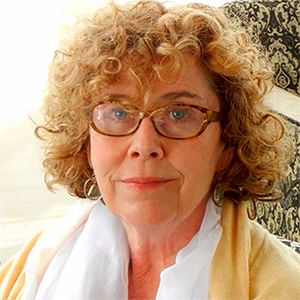
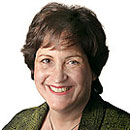
Abby McCloskey is a columnist, podcast host, and consultant. She directed domestic policy on two presidential campaigns and was director of economic policy at the American Enterprise Institute.
©2025 Bloomberg L.P. Visit bloomberg.com/opinion. Distributed by Tribune Content Agency, LLC.










Comments