Commentary: The misadventures of a couple looking to donate blood in Israel
Published in Op Eds



Getting old can be a touch terrifying — if you don’t embrace it. So the morning I turned 65, I was desperate to ease the sting by rolling up my sleeve and donating blood for a good cause.
I hatched this feel-good scheme months earlier as the perfect way to mark the moment and show some gratitude for being here. Giving blood offers people such as me a rare opportunity to feel just as mighty as folks half my age. And you get a cookie when it’s over.
After roping in my husband, we agreed to tackle this tender act of togetherness during the two weeks we were volunteering overseas around my birthday.
But nothing is as easy as it should be once you hit those “golden” years.
Our first gauntlet came courtesy of the American health care system. When we left New York, I was protected by private health insurance. But by the time we landed in Israel, at the start of a new month, my coverage was due to lapse because Medicare takes over the month you turn 65. That meant packing reams of new policy information, on top of old, in case of a whoops.
Another complication was that Israel was still in the grip of a war. We wanted to give blood our last time there, too, but no one knew exactly where to send us. So before leaving home, I scoured the website of the Magen David Adom, Israel’s version of the Red Cross, to learn all its ins and outs and sniff out whether our medical histories would trip us up.
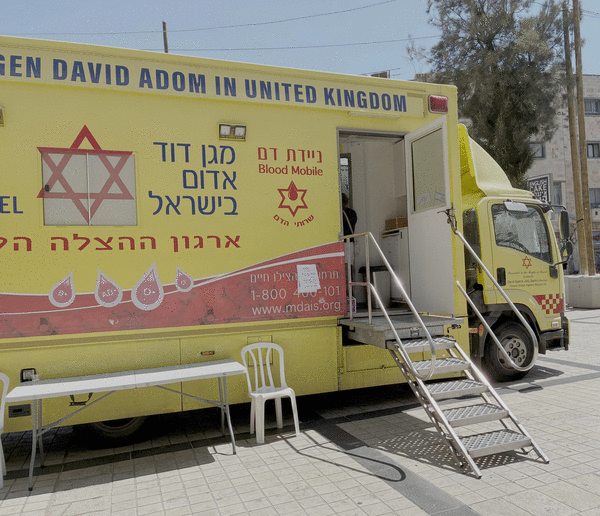
Our first attempt, on my birthday, did not go well. Magen David Adom does not let tourists book appointments in advance, and we had little sense which draw station was the best bet for walk-ins. Plus, it was a Friday, a half day for many Israelis readying for Sabbath. Getting around was further complicated by the frequent sirens and protests that snarled traffic. Locals suggested we try the bloodmobile parked outside the department store in Jerusalem.
Eventually, we located the yellow-and-red trailer. We approached triumphantly, a half-hour before the organization’s 1 p.m. closing. There was no line. A young worker emerged from the trailer and barely blinked before asking how old we were. In rusty Hebrew, I explained we were in our 60s but carried letters of approval from our doctors to satisfy the organization’s requirements for first-time international donors older than 60.
He announced he could not take our blood — because of our age. Stunned, we asked why.
“The stairs,’’ he said, pointing to six metal steps leading up to the trailer.
I assured him that my husband and I could handle the stairs. He would not budge. I had to suppress the urge to bedazzle him with details of our fitness routine: the regular Pilates and dance classes, long swims and 3-mile walks with the dog. Not to mention the world-class workouts we get toting our 40-pound grandson around the yard.
I suspect I could have tap-danced up and down those stairs like Fred Astaire, though, and it would not have mattered. “Regulations” was all the man would volunteer.
Our only hope, he insisted, was to seek out Magen David Adom’s central location before closing time, since it alone could draw blood from people “like us.” He did not say the Hebrew word “ z’kaynim” out loud, but we sensed that’s what we must have looked like to him: old people. I felt like Julia Roberts being spurned by the ritzy boutique in “Pretty Woman.”
We dashed off in search of the address he scribbled. The front door of the building was already locked, but we found a door out back. We could only marvel at the absurdity of sparing us six measly steps by sending us to a facility that had us racing up and down multiple flights of stairs.
It was around 1 p.m. when we finally spotted the darkened draw station, clammed shut for the weekend. Deflated, we were unsure whether it would pay to circle back.
Our sole chance would come the following Friday.
This time, we arrived earlier to allow for mishaps. The young representative examined the letters from our doctors and found fault straightaway. She demanded: Why was my national identification number not listed on my letter? In halting Hebrew, I told her that we were not citizens of Israel and did not have national IDs.
She wanted to call my doctor — back in Connecticut, where it was 4 in the morning — to ask about the omission. I begged her to consult her supervisor instead.
After doing so, the representative reappeared, Sphinx-like, and began reviewing our paperwork. We gleaned from this that we were being allowed to proceed so long as our medical histories and vital signs checked out. She painstakingly went over my medication history, including the four Tylenol tablets I popped a few weeks earlier. Miraculously, I was cleared to go.
Regarding my 67-year-old husband and his vital signs, she suddenly brightened. She asked if he played sports. “Your pulse is excellent, even better than mine,’’ she cooed.
“You should see me climb stairs,’’ he said sweetly.
Exhilarated that we two z’kaynim had not given up the fight too easily, my husband and I sat in two chaises that offered a panoramic view of Jerusalem while our blood was tapped. The unexpected compliment my husband earned did more to revive our spirits than the cookies we munched once our little mission was over.
____
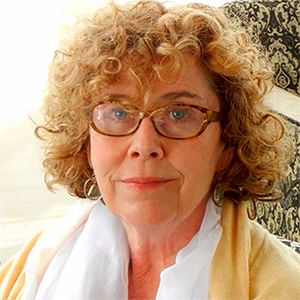
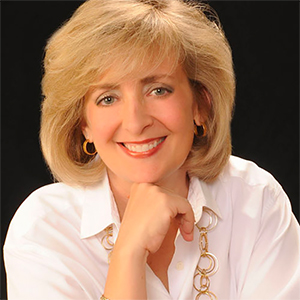
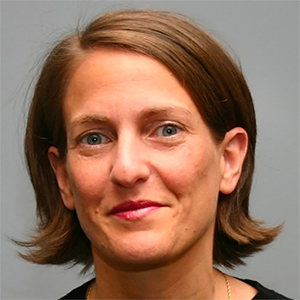
Alison Leigh Cowan is a former New York Times reporter based in Connecticut.
___
©2026 Chicago Tribune. Visit at chicagotribune.com. Distributed by Tribune Content Agency, LLC.


































Comments