Commentary: Stigma only makes drug use more dangerous
Published in Op Eds
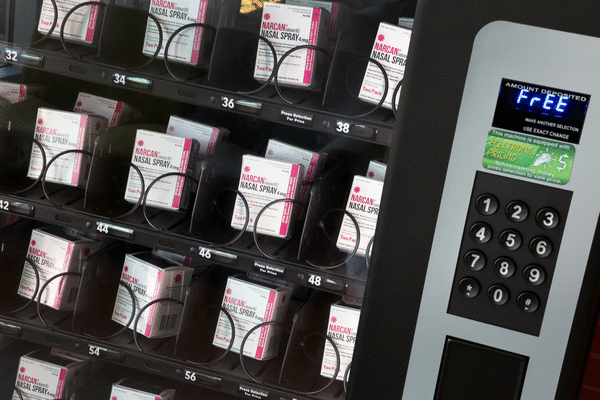
Until we stop framing all drug use and every overdose as problems of “addiction” and “substance use disorders,” we’ll keep missing the mark on overdose prevention. Historically, overdose was seen as a severe indicator of addiction — but that was never the best way to understand it, given that someone early in their use is potentially at higher risk than someone who uses chronically and has developed a tolerance. The drug supply’s unpredictability has further weakened the link between overdose and chronic use, because anyone — a decades-long habitual user or a first-time dabbler — can overdose on drugs that are more potent than expected or that contain substances such as fentanyl.
I used opioids, benzodiazepines and amphetamines for almost four years before my family noticed. In that time, I got through 102 credits of college and was elected to the local village council. Most of my drug use was helpful; it made me work harder, helped me cope with depression, and made me a more social, less anxious person.
Most people who use drugs don’t see themselves as “addicts” or meet criteria for a diagnosis of addiction. Most drug use doesn’t end in addiction, and many discontinue on their own without treatment. They’re not all “suffering” and waiting to be saved. People use drugs for logical reasons: to ease their pain, to feel happy, to be less anxious and to escape. If they weren’t serving a purpose, most people wouldn’t start using them.
Next time you take a sip of wine or drink a beer, imagine if we considered everyone who drank any amount “an alcoholic” or labeled all alcohol consumption “alcohol use disorder.” The teenager who takes 10 shots in 10 minutes (this was me at 15) will most likely experience an overdose, though this experience alone will be labeled as a “bad night” rather than becoming the sole basis of diagnosis for alcohol use disorder.
The difference between views of alcohol and drugs reflect our laws, culture and dominant religious philosophies. In many Islamic countries, alcohol is restricted the same way we treat heroin or cocaine. In parts of South America, the coca plant (where cocaine comes from) is consumed daily much as we drink caffeine. In Mormon communities, caffeine is considered taboo. If our definitions of “acceptable” drug use can change so dramatically across borders or religions, then perhaps the real problem isn’t the drugs at all, but rather the conditions we have created to consume them.
There are real dangers in drug use, but many of those dangers are not inherent to the drugs themselves. The illicit drug supply is completely unregulated and varies wildly in potency from one batch to the next. It’s as if you drank a cup of coffee one day and it was normal, and the next day it had 200 times the caffeine, but you couldn’t tell the difference until it was too late. Legal consumer products such as coffee or prescription drugs are regulated and consistent — regardless of whether experts or prevailing culture considers their use to be healthy — but illegal substances do not benefit from our most basic consumer protection principles.
For decades, the dominant approach has been to criminalize drugs and the people who use them. This policy encourages people to use alone, and hiding drug use is deadly. In California, more than 80% of overdose fatalities that occurred in a private location happened in the decedent’s own home. The people who die from overdoses are often housed, employed, parents, caregivers, neighbors and friends. They’re dying quietly in bedrooms and bathrooms because shame and fear make isolation feel safer than disclosing use, even to the people who love them most. Half of all deaths occurred with a bystander nearby who did not respond to the overdose either because they were separated, like being in a different room (45.7% of the time), or because they were unaware the decedent was using drugs (25.9%).
The risk of disclosure during active use can be catastrophic. People lose jobs, custody, housing, partners and their freedom. Courts and child-welfare systems treat all drug use as criminal behavior that isn’t compatible with parenting. Even within treatment systems, a return to use is often punished and not met with compassion.
Drug criminalization doesn’t stop people from using drugs, but it pushes use underground and makes it more dangerous. According to a recent report by California Correctional Health Care Services, not only is overdose the leading cause of death for people who are incarcerated, it is also the leading cause of death for people leaving incarceration in California.
As an alternative to incarceration, there is a growing movement for involuntary commitment where people are forced into locked treatment facilities. When we take away someone’s autonomy under the guise of “saving them,” we replicate the same moral logic that drives punishment: that people who use drugs can’t be trusted with their own lives. In Massachusetts, where we have had involuntary commitment for decades, research has shown that during the first 30 days after release, they are at a 41% increased risk of death from overdose compared with people who sought care on their own.
Overdose prevention has been treated as synonymous with addiction treatment, as if the only way to save lives is to get people “into recovery.” But what if prevention also means creating conditions where people can be safe, even if they’re still using? What if it means acknowledging that drugs can have positive effects for people, and that the real danger comes from an unregulated supply, stigma and isolation?
The next phase of overdose prevention must move beyond punishment and the fantasy that everyone who uses drugs is broken and waiting to be fixed. We can build something better. We can create systems and narratives rooted in dignity, safety and compassion for everyone, whether they use drugs, stop using or use again.
That starts with how we talk to the people we love. Instead of reacting with fear or judgment, start with curiosity by asking: What does it do for you? How does it help? What would make it feel safer?
If someone in your life uses drugs, you don’t need to approve or condone it to care about their safety. You can keep naloxone nearby and learn how to use it, in case of opioid overdose. You can check in without lecturing. You can talk openly about using in safer ways, like not using alone, testing your supply when you can and starting slow with anything new.
And if they trust you enough to use in your presence, reject the narrative that says your role is enabling. You are choosing love. You are choosing connection over concealment. Every overdose we prevent begins with one person deciding to stay and to not turn away.
That small but radical act of compassion can save a life. It can start with you.
____
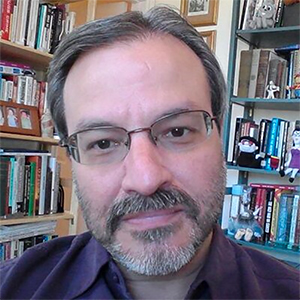
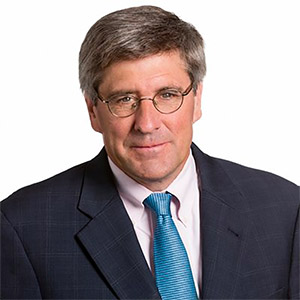
Stephen P. Murray, an overdose survivor turned paramedic turned public health advocate, is an adjunct clinical assistant professor at Boston University School of Public Health. He directs the SafeSpot Overdose Hotline.
©2025 Los Angeles Times. Visit at latimes.com. Distributed by Tribune Content Agency, LLC.











Comments