Cookbook author dishes on Jewish-Mexican cuisine that is 'kosherísimo'
Published in Variety Menu
When Ilan Stavans was growing up in Mexico City, he didn't appreciate the food his family prepared.
It was only after he moved a world away, and began to view it with the eyes of the scholar he had become, that he appreciated the history of those Eastern European recipes, handed down and rewritten over the decades.
The grandchild of Eastern European, Yiddish-speaking Jews who arrived in Mexico in the early 20th century, Stavans himself became an immigrant, moving to New York City in 1985.
"That's when I myself started looking at many of the aspects of my education — including the food that I had been eating — under a new lens and started cooking for the first time with ingredients from the United States," he said during a video call from Amherst, Mass., where he is a professor of humanities and Latin American and Latino culture at Amherst College.
When his mother died, Stavans received a precious memento in the form of a handwritten recipe book she'd inherited from his great-great-grandmother. Each generation had annotated the book.
"So there are five generations of women that have written on that document in different languages," he said. "And then the beautiful thing is that they cross out something of the previous woman [and add their own notes]. ... So they dialogue with each other."
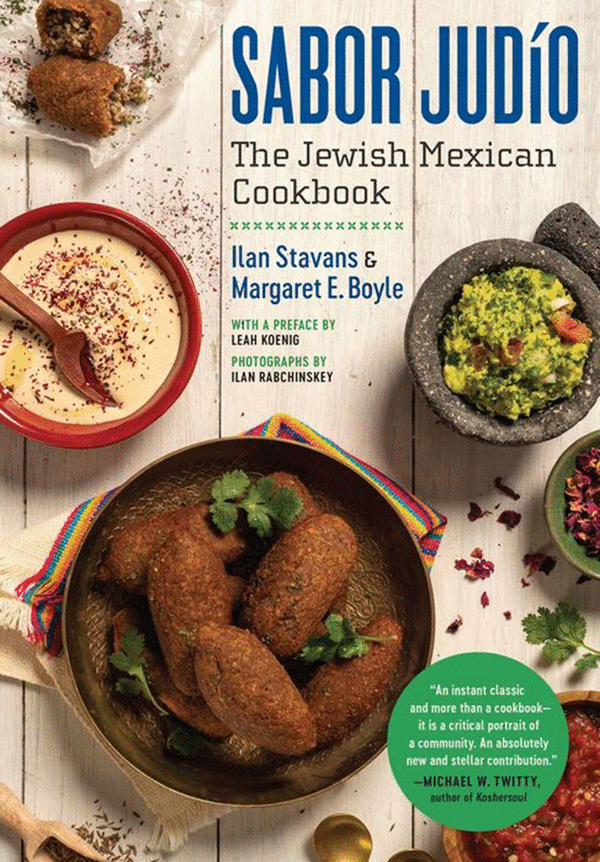
This dialogue, along with a similar cache of recipes from his coauthor's family, formed the basis of "Sabor Judio: The Jewish Mexican Cookbook," written with Margaret E. Boyle (The University of North Carolina Press, $40).
Kosherisimo
The authors did not stop with their own family recipes. They also reached out to other immigrants through the news outlet Diario Judio México, seeking Jewish-Mexican recipes. They received hundreds of replies, not only from Mexicans, but also from people who had links to Mexico but had since emigrated to Spain or Argentina or Israel.
"I was getting all these recipes of Mexican food that has changed over time and in other geographies," Stavans said.
The authors winnowed down the recipes to 100, and asked cookbook author Leah Koenig to help test them and adapt the recipes to modern, standardized measurements.
The resulting recipes, accompanied by personal histories, recount an aspect of the Jewish diaspora. It is the story of the history of Jewish migration to Mexico in miniature, movement often spurred by poverty and persecution.
"When you're displaced so often, it is the food that is going to give you comfort and give you a sense of family and tradition and continuity," Stavans said. "So it's not surprising to me that every culture rotates around the dinner table."
Jews first arrived in Mexico at the end of the 16th century, fleeing the Spanish Inquisition. Many Jews chose to obscure their identities and religion as they fled, maintaining their customs in private.
At the end of the 19th century, two groups of Jews arrived: Yiddish-speaking Eastern European Jews and those fleeing the fading Ottoman Empire — from Syria, Greece, Lebanon and the Balkans.
The two groups had very different cooking styles, Stavans said. They "found each other in Mexico and started to crisscross some of the flavors."
After World War II, survivors of the Holocaust came to Mexico from Europe as well.
"And last but not least, in the 1970s or '80s, Israelis were coming to Mexico to do business or to become teachers," Stavans said. "And they were bringing the Middle Eastern cuisine of falafels, tahini and shawarma."
Mexican-Jewish cuisine therefore reflects all of the waves of Jewish immigration the country has experienced. The resulting cross-pollination is a cuisine that has been reinvigorated by world-spanning contributions.
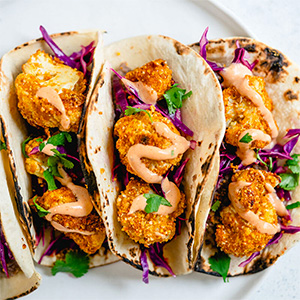
"Sabor Judio" contains recipes ranging from Eastern European-influenced spiced pickled herring and gefilte fish en salsa roja to more Mediterranean baba ganoush con chile and falafel taquitos.
"I kept on asking myself throughout the putting together of the book, 'What is Jewish food?'" Stavans said. "I have come to the conclusion that Jewish food is often local food that brings in ingredients of the previous diaspora.... It's a give and take between the local and the historical."
The ultimate, for Stavans, are potato latkes with mole on one side and sour cream and applesauce on the other.
"Kosherísimo," as Stavans defines it: both kosher-style and delicious.
Alison's Brisket Tortas
PG tested
Ilan Stavans' wife, Alison, revised a family recipe passed down through generations. The recipe suggests making sandwiches, or tortas, with the meat but it can stand alone as a main dish. It can be served for Passover, a Shabbat meal or other important Jewish occasion. But you definitely don't have to be Jewish to enjoy brisket.
This version ups the flavor with the addition of chamoy, a fruit-based chili sauce. To amp it up even more, add Tajin or chili powder.
Alison serves the tortas with just pan sauce, but you can also add lettuce, tomato, guacamole or other toppings.
2 tablespoons vegetable oil
1 brisket (about 5 pounds)
Freshly ground black pepper
3 large yellow onions, finely chopped
8 medium garlic cloves, finely chopped
1 cup dry red wine
4 cups beef broth
3/4 cup chamoy (sweet chili sauce)
3 tablespoons apple cider vinegar
1/2 packed cup light brown sugar
2 bay leaves
8-10 bolillos (or other soft rolls)
Thinly sliced jalapeno chiles, for serving (optional)
Heat the oven to 325 degrees.
Heat oil in a large roasting pan over medium heat. Season brisket on both sides with pepper, place in the hot pan and sear, turning once, until well browned on both sides, 3-5 minutes per side. (If the meat doesn't fit in a single layer in the pan, cut it in half and sear in 2 batches.)
Transfer the browned meat to a plate.
Add onions and garlic to the pan, turn the heat down to medium and cook, stirring occasionally, until soft and golden brown, 6-8 minutes.
Add wine and beef broth, raise the heat to medium high and bring to a low boil. Stir in chili sauce, vinegar, brown sugar and bay leaves. Gently return the seared brisket to the pan (along with any juices accumulated on the plate) and spoon the sauce evenly over the meat.
Cover the roasting pan and transfer to the oven. Let the brisket cook undisturbed until fork tender, about 2 1/2 hours.
Remove from the oven and let cool. Refrigerate overnight, then slice the meat cold. When ready to serve, reheat the sliced meat and juices in a 350-degree oven until bubbling.
Make the tortas: Cut bolillos in half and layer with several pieces of brisket, plus a generous spoonful of the sauce. Top with jalapeno slices if desired.
Serves 8-10.
— "Sabor Judio: The Jewish Mexican Cookbook" by Ilan Stavans and Margaret E. Boyle
©2025 PG Publishing Co. Visit at post-gazette.com. Distributed by Tribune Content Agency, LLC.







Comments