A fresh approach to cardio exercises
Published in Health & Fitness
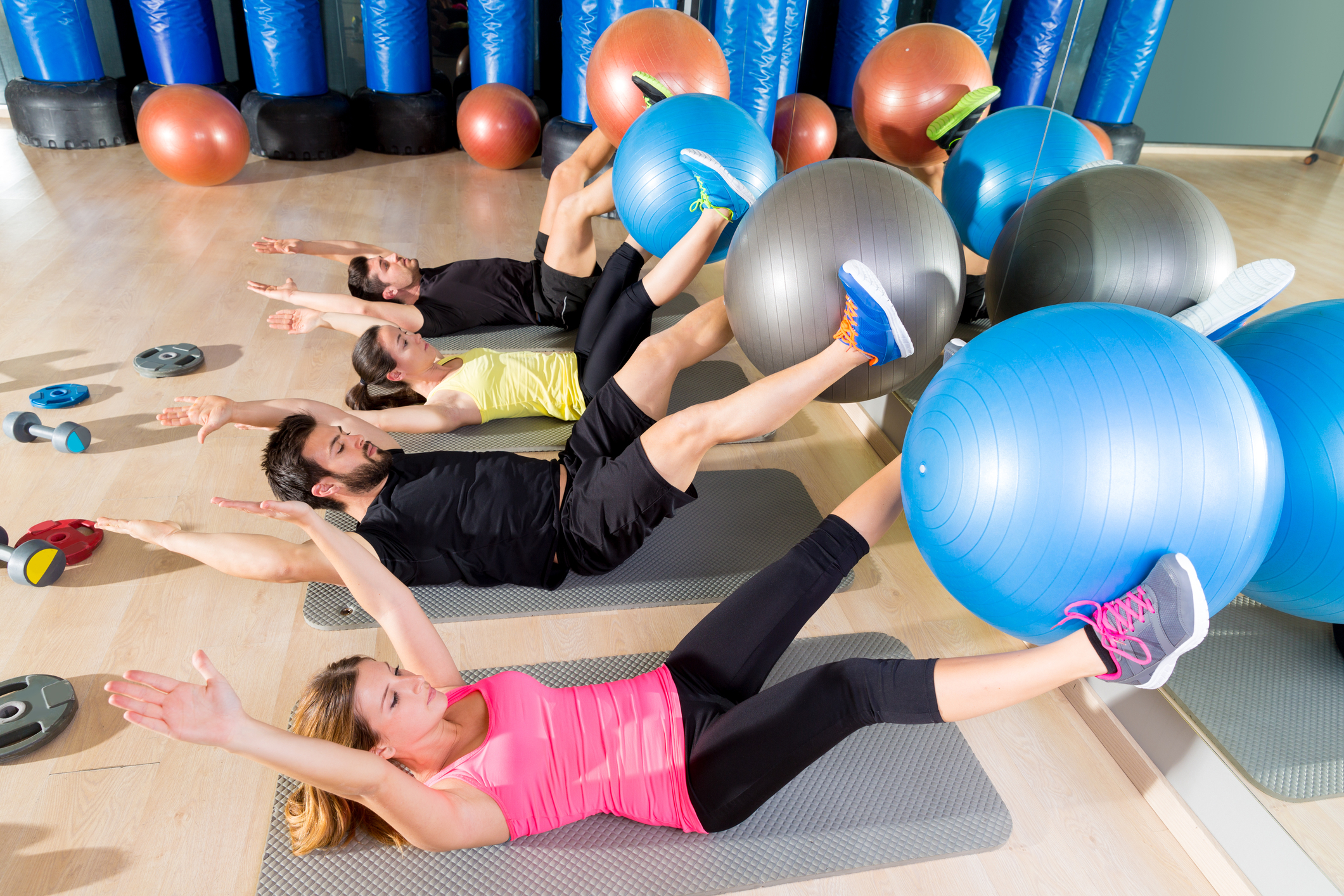
National guidelines recommend adults get at least 150 minutes of moderate-intensity or 75 minutes of vigorous aerobic (cardio) exercise per week. You could meet these goals by exercising at moderate intensity for 30 minutes five times a week, for example, or at high intensity for 40 minutes twice a week. You can mix moderate and vigorous activity over the week, or even within a workout.
“It doesn’t matter what you do to reach these numbers,” says Nolan Edwards, a physical therapist and strengthening and conditioning specialist with Harvard-affiliated Spaulding Rehabilitation. “The goal is to do something you enjoy at an intensity that gets your heart pumping.” (See “How do you measure intensity?”)
While running and walking are popular cardio exercises, they are not your only choices. Many activities provide a heart-pumping workout, such as boxing, swimming, cycling, basketball, dancing, and pickleball.
But if you want to try something different, here are some alternative cardio workouts for the gym and the home. If you aren’t already exercising regularly, speak with your doctor before starting an exercise program, especially if you have any health conditions or physical limitations.
How do you measure intensity?
Here are two ways to track activity intensity.
Percentage of maximum heart rate. Maximum heart rate is estimated by subtracting your age from 220. Moderate intensity is often defined as 50% to 70% of your maximum heart rate, and vigorous intensity is typically 75% to 85%, according to the American Heart Association. Most fitness trackers and smart watches provide an approximate heart rate in real time. But be aware that accuracy can vary depending on the activity (frequent arm and hand movements can affect readings) and the intensity (accuracy may wane as intensity increases).
Rate of perceived exertion. This is how hard you think you’re working during exercise. A simple way to gauge effort is to rate your perceived exertion on a scale of zero to 10:
At the gym
People who work out at the gym can take advantage of other ways to reach their weekly goal of aerobic exercise by keeping up an accelerated heart rate while also getting some strength training.
Circuit workout. You choose three weight machines you want to work in sequence. Do one set of repetitions at each machine, quickly move to the next one, and then repeat the cycle for your allotted time. “You can adjust how much time you take between the exercises if you need a breather, but the goal is to keep up your heart rate,” says Edwards. He recommends machines that target three different body areas to minimize soreness and prevent injury.
Pairing upper- and lower-body exercises. Another variation of a circuit workout alternates between lower-body and upper-body exercises. “Leg exercises use larger muscle groups, which can cause heart rate to spike faster,” says Edwards. “Then you perform an upper-body exercise as a recovery, and then go back and forth between the two.” He suggests a routine that pairs one leg exercise, like squats, lunges, or deadlifts, with one upper-body exercise such as biceps curls, triceps extensions, or shoulder presses. Do three rounds with one pair, then three rounds with another pair, and so on. “This way you don’t overwork any one muscle group,” says Edwards.
Group classes. Edwards is also a fan of group fitness classes. “They are led by instructors who can show you what to do and monitor your form, so you don’t need a plan. You just show up,” he says. Classes are also an opportunity for social engagement and trying something new. Examples include indoor cycling, dance, high-intensity interval training, and Silver Sneakers workouts.
In the home
You can perform many cardio exercises at home without the need for machines. You can do the following exercises on their own or combine them for circuit training.
March in place. Stand with your feet together and arms at your sides. Bend your elbows and swing your arms as you lift your knees, one at a time, bringing them as high as possible with each movement. March in place for 50 steps at a steady rhythm. Rest and repeat. Another approach is marching intervals. March in place for 30 seconds, rest for 30 seconds, and repeat. “You can also make your rest period an active recovery to keep your heart rate from dropping too much,” says Edwards. Several biceps curls while holding dumbbells or books, or pushups against the wall or on the floor will do the job.
Jumping rope. This schoolyard favorite will quickly elevate your heart rate. Try one or two minutes of jumping rope, rest for a minute, and repeat. Start with a slow pace until you find your rhythm. If your feet get tangled, pause until you regain your balance, then continue. If this duration is too difficult, break it up into 10-to-30-second segments. Another option is to go through the motions without the rope.
Chair stand and sit. Sit up at the front of a chair, knees bent, feet flat on the floor and slightly apart. Cross your arms and place your hands on your shoulders. Keeping your back and shoulders straight, stand up, pause, and then sit. Do this movement eight to 12 times, gradually increasing the speed as you stand, and taking five seconds to sit. Briefly rest and repeat the sequence one or two times.
(Reviewed by Nolan Edwards, DPT, CSCS, contributor to Harvard Heart Letter)
©2026 Harvard University. For terms of use, please see https://www.health.harvard.edu/terms-of-use. Distributed by Tribune Content Agency, LLC.









Comments