The Current State of Cannabis And The US Military
Published in Cannabis Daily
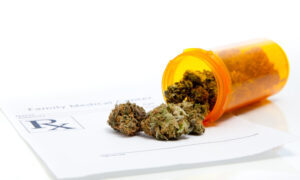
Leaders tolerate a long-standing culture of alcohol while navigating the current state of cannabis and the US military The U.S. military has long maintained a cultural tolerance—if not quiet acceptance—of alcohol use among service members, where drinking has historically been woven into unit cohesion, stress relief, and off-duty life. And today, more people around 35 are reducing there use of alcohol and turning to cannabis for relaxing without full inebriation. Yet the same institution continues to enforce a strict zero-tolerance policy toward cannabis, even as legalization spreads across much of the United States and public opinion shifts dramatically. So here is the current state of cannabis and the US military. Today, the military’s stance on marijuana remains unequivocal: it is prohibited for all active-duty personnel under the Uniform Code of Military Justice. Article 112a criminalizes the use, possession, or distribution of cannabis and related products, including CBD and hemp derivatives, regardless of whether they are legal at the state level. Violations can result in penalties ranging from reprimand to discharge or even court-martial. This prohibition extends to military bases, where cannabis remains illegal even for civilians and in states with fully legal markets. The policy reflects the military’s prioritization of readiness, discipline, and uniform standards across all branches. Mandatory drug testing and strict enforcement are designed to eliminate any ambiguity. However, this creates a growing disconnect between military law and civilian life, where cannabis is now legal for medical or recreational use in most states. Efforts to soften the stance—such as easing recruitment standards for past marijuana use or eliminating pre-enlistment testing—have emerged, largely driven by recruitment challenges, but these changes stop far short of allowing active-duty use. Medical marijuana presents an even more complex issue. Despite mounting evidence and widespread state-level acceptance, active-duty service members are barred from using cannabis for any medical purpose, even with a doctor’s recommendation. The federal classification of marijuana has historically been a key barrier, though potential reclassification from Schedule I to Schedule III could signal a shift toward recognizing medical value. Still, even with reclassification, military and federal employment policies may continue to restrict its use due to concerns about judgment, reliability, and security clearances. For veterans, the landscape is slightly more permissive—but still restrictive. The Department of Veterans Affairs (VA) does not allow its doctors to prescribe medical marijuana, and until recently, even recommending it was largely off-limits due to federal law. However, policy discussions and legislative proposals in 2025 and 2026 suggest incremental change. Some measures would allow VA doctors to discuss or recommend cannabis in states where it is legal, though they still cannot prescribe it or cover its cost. Importantly, veterans will not lose VA benefits for participating in state-approved medical marijuana programs, and providers can include cannabis use in treatment planning. This evolving stance highlights a broader contradiction in federal policy, particularly when compared to the military and VA’s historical reliance on opioids and other powerful pharmaceuticals. For years, opioids have been widely prescribed to service members and veterans to manage pain, despite well-documented risks of addiction and overdose. Critics argue cannabis—often viewed as less addictive and with fewer severe side effects—has been unfairly restricted while more dangerous substances were readily available through official channels. Meanwhile, hemp-derived products, including non-psychoactive CBD and emerging hemp beverages, remain largely off-limits to active-duty personnel due to concerns about trace THC content and failed drug tests. This cautious approach underscores the military’s preference for absolute clarity over nuanced regulation, even as the commercial market for hemp and cannabis alternatives continues to expand rapidly in civilian life. Among veterans, however, attitudes toward cannabis are shifting quickly. Many former service members advocate for expanded access to medical marijuana as a treatment for conditions such as PTSD, chronic pain, and traumatic brain injuries. Anecdotal evidence and advocacy groups point to cannabis as a viable alternative to opioids and other pharmaceuticals, fueling ongoing pressure on Congress and federal agencies to modernize policies. In sum, the U.S. military remains firmly opposed to cannabis use within its ranks, grounded in federal law and institutional priorities around discipline and readiness. Yet beneath the rigidity, incremental changes are emerging—particularly for veterans—reflecting a broader national reevaluation of marijuana’s role in medicine and society. The tension between prohibition and acceptance is unlikely to resolve quickly, but it is increasingly clear the military’s stance, like the country itself, is in transition.
The Fresh Toast is a daily lifestyle platform with a side of cannabis. For more information, visit www.thefreshtoast.com.






















Comments