Why ICE’s body camera policies make the videos unlikely to improve accountability and transparency
Published in Political News
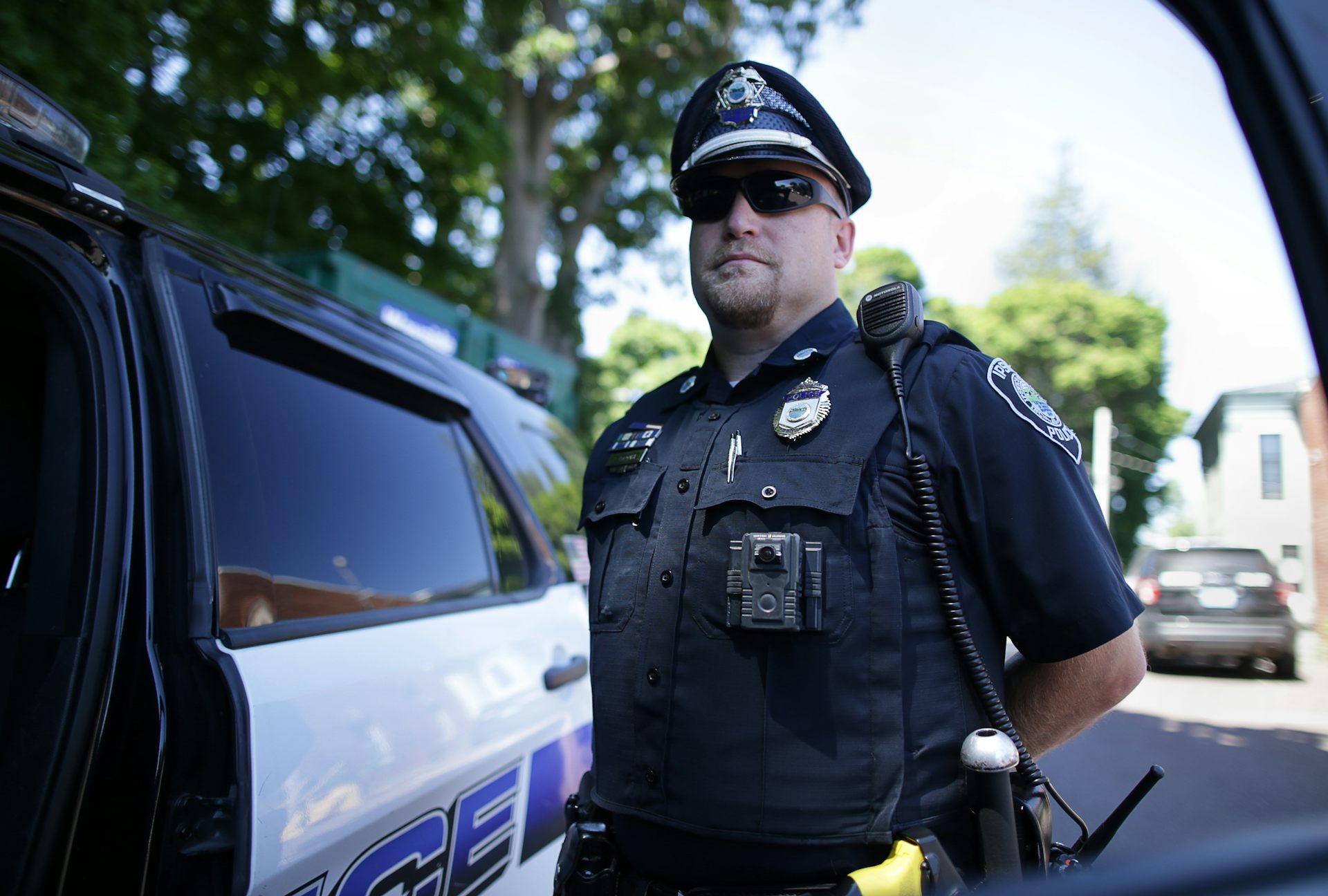
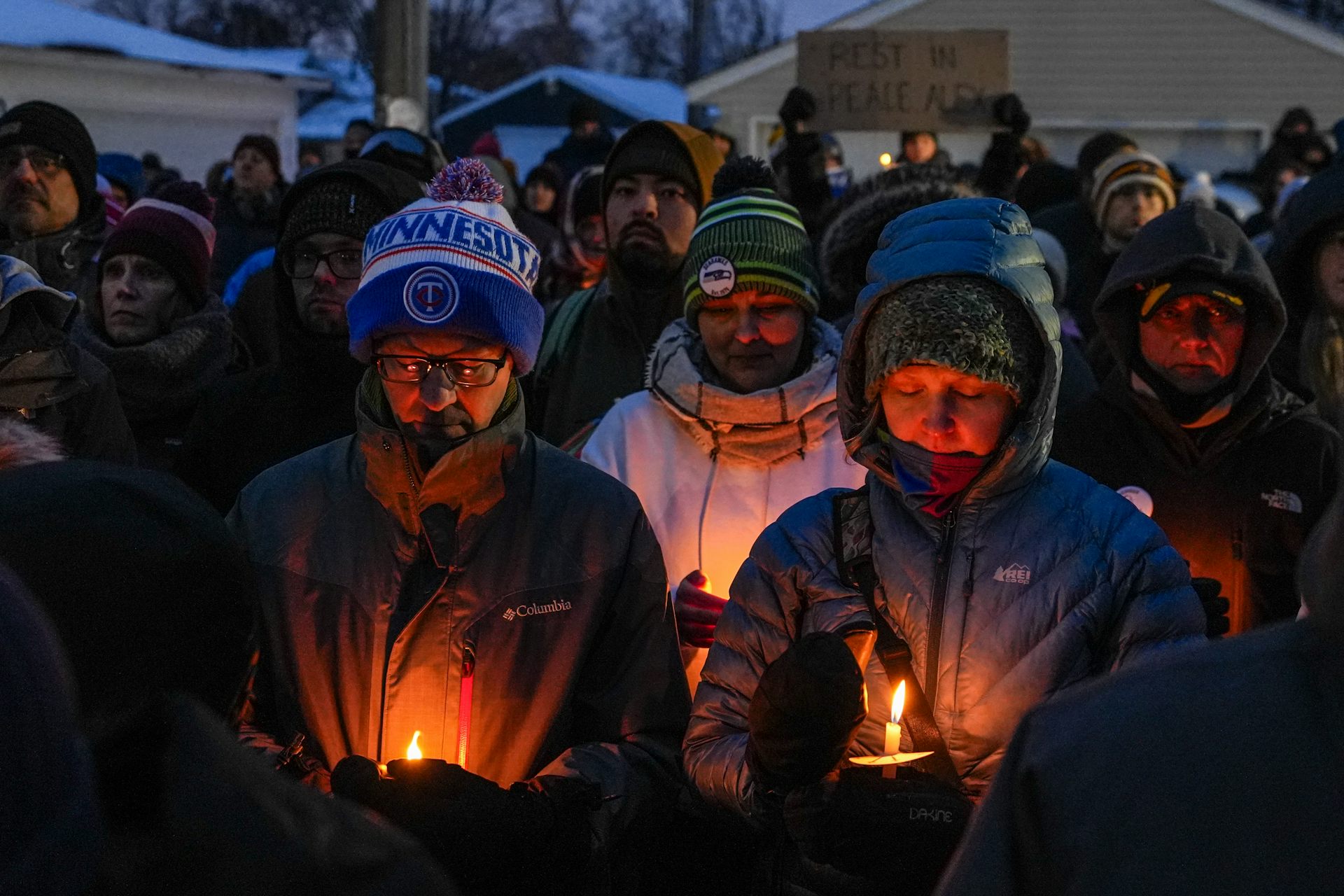
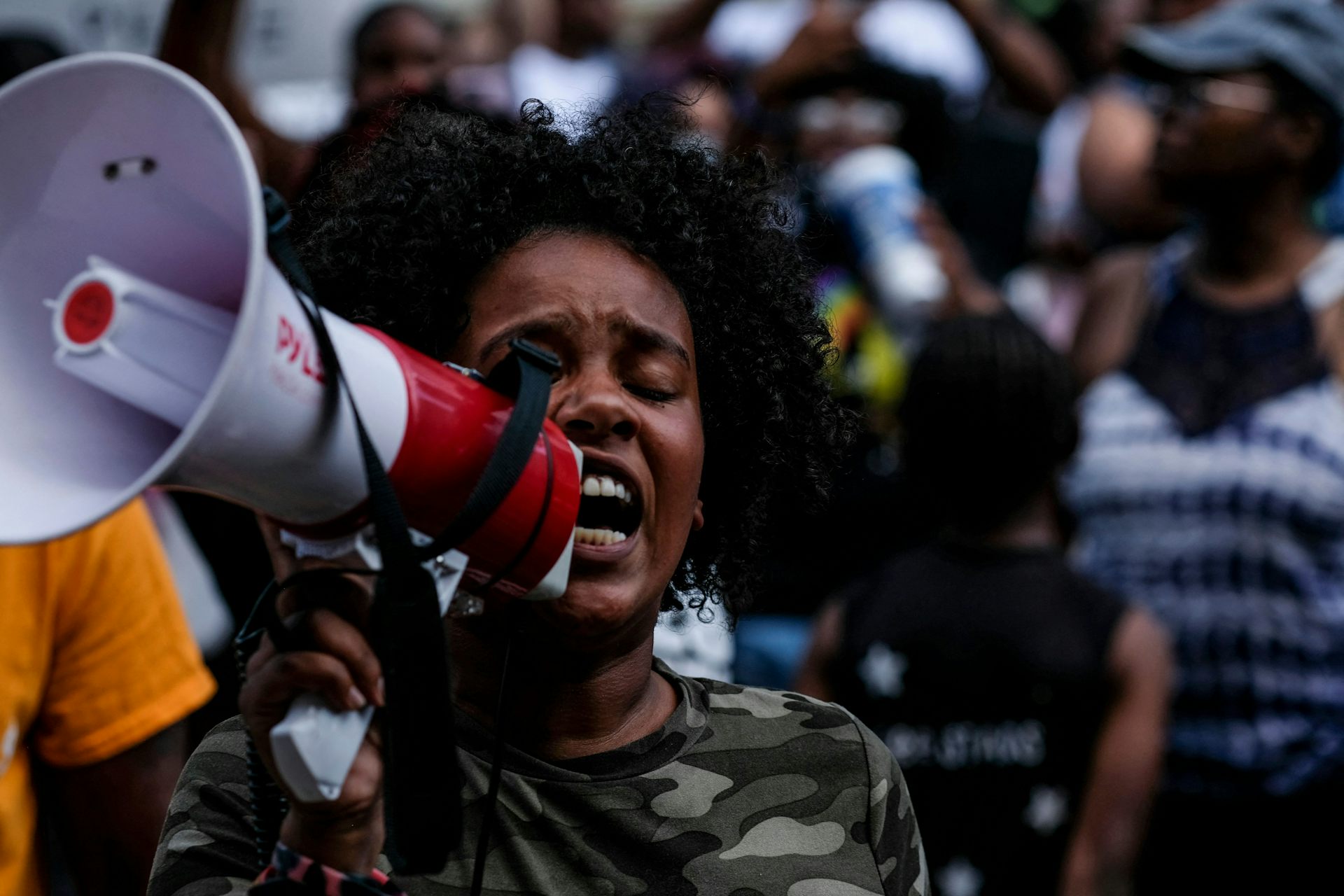


Amid growing demands by Democrats to overhaul U.S. Immigration and Customs Enforcement after federal immigration officials killed two U.S. citizens in Minnesota, Secretary of Homeland Security Kristi Noem said in early February 2026 that agents in Minneapolis will be issued body-worn cameras.
But can body cameras on federal officials provide the transparency and accountability the public is demanding from agents with ICE and U.S. Customs and Border Protection?
As a public policy scholar, I have analyzed the existing body-worn camera policy for ICE agents. And I’ve compared this policy to dozens of other state and local body camera policies, in an effort to investigate the rationales for their use.
Whether ICE’s body camera policy can provide transparency and accountability depends, I believe, on the policy itself and the enforcement of that policy. ICE’s use of body cameras could improve the agency’s legitimacy in the eyes of the public.
But as I’ve seen with other police body camera policies, there’s a risk that camera footage may obscure actual events. It’s also possible that the strategic release of footage may undermine transparency.
Police body cameras were first used in the United States in 2012 by the Rialto Police Department in California. By 2020, their use had expanded to over 62% of local law enforcement agencies, covering 79% of local police officers nationwide.
That expansion was, in part, a response to growing criticism over stop-and-frisk tactics – in which police temporarily detain people for weapons searches when a crime is suspected – and police-involved shootings of people of color.
Body camera policies vary greatly between municipalities. Some policies make body cameras useful accountability tools, like those of Parker, Colorado, which uses cameras for evidence collection and ensuring officer adherence to policy rather than as surveillance technology.
Others, meanwhile, provide broad discretion for officers to choose when to activate their body cameras, such as Colorado Springs’ policy. Allowing officers to decide when to use their cameras can limit the availability of evidence.
I believe there are four crucial elements of a body camera policy that can ensure that ICE agents properly use the technology.
Body camera quality has improved over the past decade. But the battery life of many models prevents continuous recording throughout a 10-hour shift.
Instead, law enforcement officials often manually activate their body cameras. Thus, to effectively promote accountability, a strong policy would require ICE agents to activate their body cameras before they interact with the public.
A 2016 study found that, without mandatory camera-activation policies, officers often fail to activate their cameras.
The current ICE body-worn camera policy, issued in February 2025, lists enforcement activities that require recording. They include executing arrest warrants, frisks of individuals and “responding to public, unlawful/violent disturbances at ICE facilities.”
But the list does not include mandatory activation during vehicle pursuits or the transportation of people to detention facilities. Recording inside detention facilities is strictly prohibited by the policy.
As proposed by the Police Executive Research Forum, a nonprofit that promotes policing professionalism, body cameras must continue to record until an encounter with a member of the public has concluded and agents have left the scene.
The current ICE body-worn camera policy states that agents “should only deactivate the BWC when the scene is secure as determined by the supervisor or team leader.”
While robust policies, such as that of the Chicago Police Department, require continued recording during the transportation of detained people, the ICE body camera policy does not. This creates the potential for critical moments to go unrecorded.
Many body camera models come equipped with facial recognition technology. But many local police department policies prohibit its use due to privacy and surveillance concerns.
ICE uses facial recognition technology during immigration enforcement operations, but in 2020 lawmakers raised concerns that body camera facial recognition could dissuade citizens from protesting out of fear of retribution.
As protests against ICE immigration enforcement continue, it’s known that the agency uses facial recognition technology on peaceful protesters and observers. Existing ICE policy prevents the use of facial recognition on “live BWC recordings,” meaning while the interaction is taking place. Facial recognition is permitted on body camera footage after the interaction has concluded.
In early February 2026, Democratic lawmakers introduced a measure that would prohibit the use of facial recognition by ICE and CBP agents. That ban would extend to facial recognition features on body cameras.
Policy is only as strong as its enforcement.
Policymakers could consider strengthening submission forms for ICE use-of-force and civil rights violation complaints.
Thorough investigation of complaints and reviews of body camera footage could be handled by an external review board. The Office of the Inspector General, responsible for investigating allegations of excessive force by ICE agents, could also conduct reviews.
Body cameras will not deter violence committed by ICE agents unless policies clearly dictate their use. For body cameras to function as transparency and accountability tools, I believe wrongdoing would have to be swiftly and consistently penalized. This would highlight the consequences of noncompliance with body-worn camera policies.
This article is republished from The Conversation, a nonprofit, independent news organization bringing you facts and trustworthy analysis to help you make sense of our complex world. It was written by: Stephanie Lessing, UMass Boston
Read more:
From Colonial rebels to Minneapolis protesters, technology has long powered American social movements
Why the ‘Streets of Minneapolis’ have echoed with public support – unlike the campus of Kent State in 1970
The concrete effects of body cameras on police accountability
Stephanie Lessing does not work for, consult, own shares in or receive funding from any company or organization that would benefit from this article, and has disclosed no relevant affiliations beyond their academic appointment.





















































Comments