POINT: The case for expanding access to weight-loss medications
Published in Op Eds

Alarmed by rising rates of obesity, public health officials have urged Americans for decades to eat better, move more, and make healthier choices. Yet, obesity rates kept rising, peaking at 40 percent of Americans in 2022. The decline since then is clearly linked to something else: a new class of medications known as GLP-1.
The arrival of these drugs has historic implications for Americans’ health. Obesity and its related conditions — including diabetes, heart disease, stroke and cancer — are responsible for seven in 10 deaths annually and account for a significant part of the nation’s $5.3 trillion in healthcare costs.
GLP-1 medications like semaglutide and tirzepatide help patients lose 15% to 20% of their body weight, outcomes that behavioral interventions have never achieved at scale.
Yet, insurance coverage for GLP-1s prescribed for weight loss remains limited. Millions of Americans lack access to treatments that could lengthen and improve their lives, while bending the curve of U.S. healthcare spending.
Research at the University of Southern California’s Schaeffer Center for Health Policy & Economics finds that widespread access to GLP-1 therapies could generate significant benefits to society.
Young adults starting treatment between ages 25-34 could gain nearly two years of life expectancy, spend nearly six fewer years with diabetes, and reduce their risk of hypertension, heart disease, stroke and cancer. Even Medicare beneficiaries who start treatment between the ages of 65 and 74 can expect to live about six months longer and experience reduced time living with diabetes.
Research also shows that Medicare coverage alone would generate nearly $1 trillion in cumulative social benefits over the next decade. Medicare itself would save between $175 billion and $245 billion in the first 10 years, with 60 percent of savings from reduced hospitalizations and nursing home care.
Investment in broad access could generate real returns exceeding 13% yearly even after accounting for treatment costs, performing better than the U.S. stock market over this century. While the value of GLP-1 treatment varies by age and underlying health risk, all groups would see positive lifetime gains.
Broad access could also dramatically reduce health disparities. Obesity disproportionately affects Black and Hispanic Americans, with 53% and 43% of each population affected, respectively. Black adults experience significantly less weight loss from behavioral interventions compared with White adults, and lower-income individuals have less access to these programs.
The status quo — relying on lifestyle modifications — has actually expanded existing health disparities.
Like beta blockers for hypertension, GLP-1s simplify treatment. After beta blockers’ approval in 1976, reductions in hypertension and cardiac disease were equal across income levels — the medication bridged the gap that behavioral interventions couldn’t. GLP-1s can do the same for obesity.
Critics argue that GLP-1s cost too much to broaden access. That case is fading quickly. Injectable prices as high as $1,300 per month have fallen 50% or more. A new, once-a-day GLP-1 pill, which could significantly increase the number of patients who would consider treatments, has a starter price of $149 a month.
Unfortunately, fewer than one-third of insurers cover GLP-1 medications for weight loss, and Americans who pay cash for the drugs can’t count those costs toward their insurance deductibles. Medicare has covered the drugs only for the treatment of diabetes, or in some cases for obesity-related heart disease.
A Medicare pilot program beginning later this year will cover GLPs for obesity but only for beneficiaries who meet specific clinical criteria.
The history of diabetes offers an important parallel. Just as diabetes came to be recognized as a biological disease — rather than a lifestyle one — treatable with insulin, it is time we extend the same understanding to obesity treatments.
_____
ABOUT THE WRITER
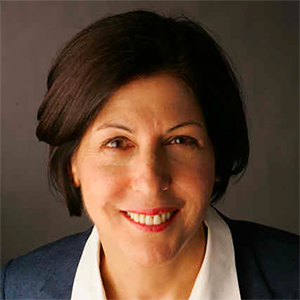
Alison Sexton Ward is a research scientist at the USC Schaeffer Center for Health Policy & Economics. She wrote this for InsideSources.com.
_____
©2026 Tribune Content Agency, LLC



















































Comments