Editorial: Illinois should consider pragmatic tweaks to its sanctuary law
Published in Op Eds
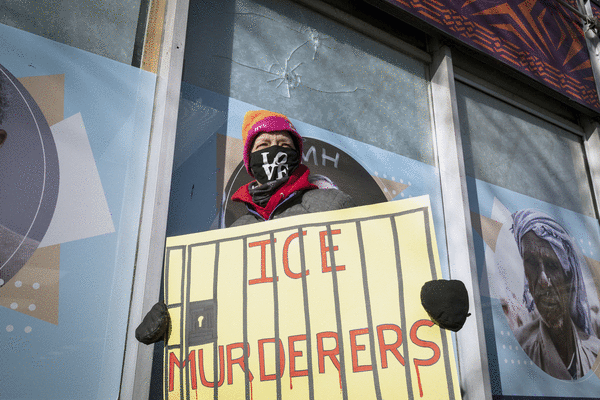
For much of the past nine months, there’s been next to no talk of compromise between a Trump administration determined to deport as many undocumented residents as possible and Democrats in so-called sanctuary states such as Gov. JB Pritzker.
But suddenly, in the wake of the shocking killings of two American citizens in Minneapolis by federal immigration-enforcement agents, we’re seeing some tentative steps towards, dare we say it, compromise. In Minnesota, that is.
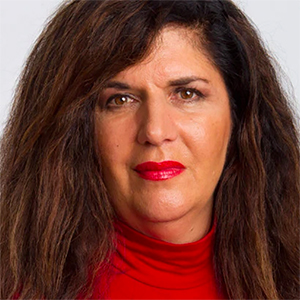
On Wednesday, we hosted Illinois Lt. Gov. Juliana Stratton to discuss her run to succeed retiring U.S. Sen. Dick Durbin, the first of the three major candidates for that office to meet with the editorial board. During the discussion, Stratton said something that frankly surprised us.
We asked her about Illinois’ sanctuary law, the Trust Act signed by Gov. Bruce Rauner in 2017, and how it bars state officials from cooperating with U.S. Immigration and Customs Enforcement officials to begin the process of deportation of undocumented individuals incarcerated in our prisons for violent crimes, as they’re being released back out onto the streets. (The existing exception in the law to that prohibition is if ICE has a judicial warrant for the prisoner’s arrest. But that’s a rarity, we’re told.)
“I’ve always taken the position that if there’s somebody who’s a threat to public safety and convicted of a violent crime, that’s something that we would cooperate with,” she told us. “So if there needs to be some sort of amendment, I would not be opposed to that.”
She’s not the only Illinois Democrat to say something like that, but she’s the most prominent. And, of course, even as she’s running for Senate, she remains Pritzker’s lieutenant governor. We’ve not heard the governor express an opinion on this question. We wonder if he would agree.
If he does, we wonder too if Democratic legislators in Springfield would take it upon themselves in this session to debate and pass changes to the Trust Act that, for example, would allow the Illinois Department of Corrections to notify ICE when an undocumented violent criminal is to be released in order to potentially get that person deported, following due process on their immigration case.
For our part, it seems obvious — and something that the overwhelming of residents of this blue state would support — that a law barring state and local law enforcement from cooperating to deport convicted violent criminals in this country illegally should be amended to allow for that. And do so without going through the bureaucratic hoops of obtaining a judicial warrant.
For those on the Democratic side who might be squeamish at the prospect, here’s the other side of the equation, the one that puts the Trump administration on the spot.
We’ve heard administration officials justify the invasion-like tactics of ICE and the Border Patrol in Democratic cities such as Chicago and Minneapolis by saying the lack of cooperation from these cities and states forces them to hunt down violent criminals after they’re released from prison.
“If you want less officers in the street, then let us in the jail,” Trump’s border czar Tom Homan said recently.
Homan has been in Minneapolis of late, dispatched by Trump to try to calm the situation after the shooting death of Alex Pretti by agents caused a justified uproar in the Twin Cities and across the country. Homan announced Wednesday that he was drawing down the surged force of agents by 700, leaving 2,000 remaining in Minneapolis. Homan credited cooperation by sheriffs in giving ICE access to county jails to remove undocumented prisoners deemed public-safety threats upon their release from the jails.
It’s not clear precisely what Gov. Tim Walz, Minneapolis Mayor Jacob Frey and other Minnesota officeholders have agreed to with Homan and other Trump officials. But, judging from the positive comments from both sides, the conversations have been and continue to be productive.
Reasonable and narrow changes to state laws that currently make it extremely difficult to do what the overwhelming majority of Americans say they want and what Democratic officeholders say they support would put the ball squarely in the Trump administration’s court. If it gets reasonable concessions on handing over violent criminals once they’ve served their sentences, the Department of Homeland Security should halt its provocative and dangerous surges into Chicago and its suburbs. That’s essentially what Homan has pledged.
So Minnesota’s experience is instructive in our view, and the Democrats who run Springfield and who dominate the halls of power in the Chicago area should take notice. Throughout this immigration-enforcement ordeal, in which this page consistently has condemned the heavy-handed tactics of ICE and the Border Patrol, we’ve also wished for the opening of channels of communication between sides that, while their leaders don’t like each other (Trump and Pritzker), nonetheless is the obligation of elected officials in such high-pressure situations.
Minnesota, even in its grief and trauma over the needless deaths of two of its citizens at the hands of the state, is managing to show that communication and negotiation are possible.
This is not to say that deciding on what narrow amendments to make to the state’s sanctuary law (and those of Chicago and Cook County as well) is a simple matter. If that debate is opened, there will be tough decisions to make in terms of what sorts of crimes qualify for cooperation with the feds from those running our state and local prisons and jails. Should the handover of violent criminals who happen to be in the country without permission happen strictly in the state prisons? Should it include Cook County Jail, where many inmates are detained while they await their day in court on violent crime charges but who also have criminal records from the past, even if there are more charges to come?
Let’s just say, though, that if a political leader as progressive as Juliana Stratton says she’s open to amending a state law that as it stands leads to the release back into our communities of violent criminals who happen also to be undocumented, that strikes us as a notable opening to a discussion that should take place. As it is now in Minnesota.
___
©2026 Chicago Tribune. Visit at chicagotribune.com. Distributed by Tribune Content Agency, LLC.

















































Comments