Commentary: My family in Iran is cut off from the rest of us. It is taking its toll
Published in Op Eds
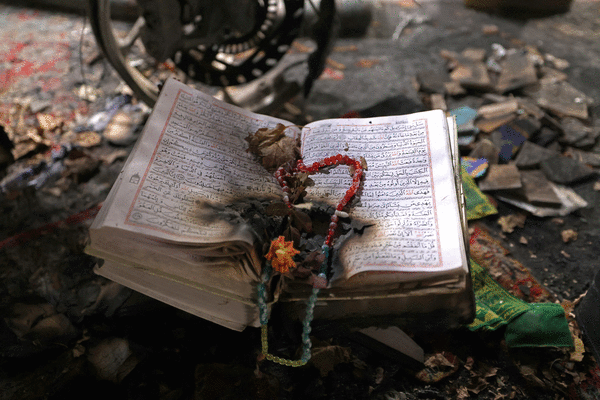
Iran has experienced many communications blackouts in the immediate aftermath of uprisings but never anything like the current one.
In one recent call, with family members all outside of Iran, we swapped stories of how we’ve gotten through previous blackouts. “The 2019 blackout occurred the same weekend I emigrated from Iran,” one family member shared. “I left my country of Iran, a place I never thought I would have to leave, and as soon as I landed, I couldn’t call family in Iran to let them know I had arrived.”
Though most of my family members have left Iran, I have many still in Iran, including my grandma.
For decades, Iranians in the diaspora have been limited to a two-dimensional relationship with their loved ones still in Iran. Many outside of Iran are unable to go back with this regime still in power, for fear of imprisonment or worse. Just having U.S. citizenship could be grounds for detention.
At the same time, many of those in Iran are unable to leave, due to severe worldwide immigration restrictions on residents of Iran. Even tourist visas, for short stays in Western countries, are now nearly impossible for residents of Iran to get. Video chats, phone calls and texts are the only ways we can stay connected to our families.
I used to give one family member a call in the middle of cooking Iranian cuisine to get their guidance. They would ask me to show them my progress, then would direct me based on what they saw. I used to kiss my grandma through the phone, making a loud kissing sound because I thought the loudness of it would make it feel more real. But all that has halted, with reports that the regime plans to keep the internet shut off through at least the Iranian New Year of Nowruz on March 20.
A country of 92 million people, larger than Germany and almost four times the size of California, continues to operate under a complete internet blackout.
The only way we can reach my family today is through international calls, though only the relatives in Iran can call out; we can’t call in. The calls cost $3 per minute, and the caller in Iran bears the full burden. With deep economic instability and a crashing local currency the primary drivers of the uprisings, few Iranians can afford doing that for long.
Those of us abroad get a call from Iran once a day from our family members telling us they’re OK, and then they end the call. OK means they’re alive. OK means they have food. OK means they have water and electricity, for now. In our one-minute calls, we talk of nothing else, for fear of who may be listening. OK does not mean they’re OK.
In more normal times, our family would get together for video calls to wish each other happy birthday. Because our family outside of Iran spans the globe, there are very few times that work for all: 3 p.m. Central, which is 4 p.m. Eastern, 10 p.m. in Germany, after midnight in Iran and 7 a.m. in Australia, is our usual time to ensure all are represented.
Our family members in Iran get so much joy from these calls that they each call from their own phone, even though they’re all nearby. They feel more connected to all of us if they’re holding the phone themselves, controlling their own two-dimensional experience. This time, I can only ask my cousin to wish our family member a happy birthday the next time they speak, briefly, to any family in Iran. There will be no birthday video call this January.
Iranian culture centers on what we can do for others, with at least 10 phrases to convey that — including chakeretam (“at your service”), doret begardam (“let me circle around you”), ghorbonet beram (“may I be sacrificed for you”), fadat besham (“let me be your sacrifice”) and mimiram barat (“I will die for you”). Addressing someone by name is almost always followed by jaan or joon, which translates to “my soul” or “my life.” Azizam can be used instead of a person’s name, which means “my dear one.”
And these aren’t reserved for a select few. Iranians use these phrases in everyday conversation. After a meal is served, we often say, Dastet dard nakoneh, to the cook, meaning “I hope your hands did not hurt in preparing this meal.” To which the cook responds, Nushe jaan (“May your spirit be nourished”).
Making deep connections with each other that tie back to our soul is what makes Iranians Iranian. “Talla, jaan, add more tomato paste,” my family member would say, guiding my cooking.
“Ghorbonet beram, Talla, joon, when will you return to Iran so I can kiss you for real?” I never know how to answer that question from my grandma.
Maman Bozorg jaan. (“Grandmother, my life.”) Azizam. Fadat besham. I don’t know when I’ll see you next on a video call. But I have hope, in all my heart, that I’m getting closer to seeing you in person soon.
____
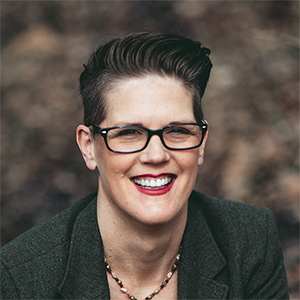
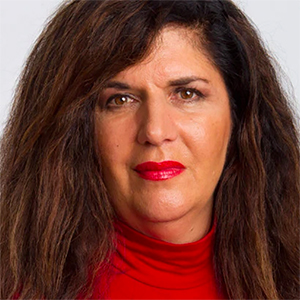
Talla Mountjoy is senior director of programs for the Forum for Free Inquiry and Expression at the University of Chicago.
___
©2026 Chicago Tribune. Visit at chicagotribune.com. Distributed by Tribune Content Agency, LLC.
















































Comments