Commentary: When policing becomes political, public safety suffers
Published in Op Eds
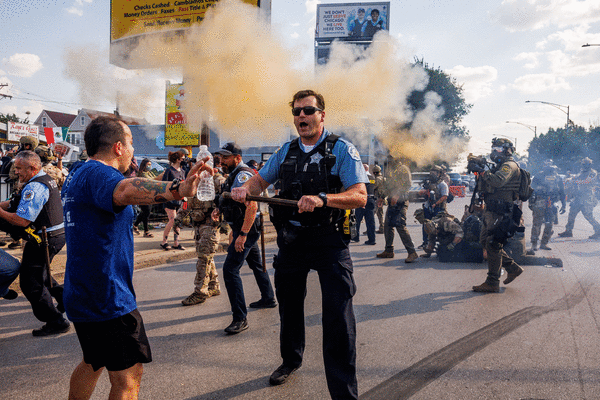
Over the past few months, a troubling pattern has emerged across America’s major cities. As President Donald Trump’s administration dispatches federal agents and National Guard troops to jurisdictions — often over the objections of local residents and leaders — police departments are being forced to navigate an increasingly precarious position. If they embrace federal intervention, they risk being seen as acting against the will of the communities they serve. If they fail to align with Washington’s agenda, they invite political backlash for not showing unquestioning loyalty to the “thin blue line” that unites law enforcement.
This no-win situation is yet another symptom of the growing politicization of law enforcement and public safety. And as a retired police lieutenant who spent more than two decades on the force, I see this trend as an existential threat to the legitimacy our profession relies on to be effective.
Anyone who has worked in this field knows that policing can only function through community trust and cooperation. Our ability to uphold safety depends on the public’s belief that police are there to protect them — not to serve as an occupying force or an arm of political power. Federal encroachment on local policing blurs that line, creating a tightrope act that’s proving difficult for departments to balance.
In the Chicago area, federal law enforcement’s heavy-handed tactics have put local police directly in the crossfire, both literally and figuratively. After federal agents repeatedly deployed tear gas in residential neighborhoods — exposing at least 40 Chicago police officers and countless bystanders — a federal judge issued a temporary restraining order blocking the use of certain types of force against protesters. In nearby Broadview, federal agents have also tear-gassed local police officers outside an Immigration and Customs Enforcement facility that has drawn regular protests. The village’s police chief has accused ICE agents of making false police reports, and his department has opened at least three criminal investigations into incidents involving ICE agents.
In Washington, D.C., local police are facing sharp criticism after failing to document a shooting by a federal agent during an October traffic stop. While the Metropolitan Police Department was not responsible for the shooting, its decision not to include the gunfire in a subsequent incident report has raised serious questions about transparency and accountability. One officer even testified that a superior instructed him not to document the incident in court records. Whether that decision stemmed from confusion, pressure or fear of political repercussions, the result is the same: a loss of public trust that hinders the department’s ability to do the job effectively.
Similar problems have emerged in Portland, where police leaders have testified that federal intervention has made their jobs harder, not easier. During a recent federal trial over the legality of sending National Guard troops to the city, a local police commander told the court that protests swelled in size and intensity following Trump’s deployment order. He also documented “startling” incidents of excessive force by federal officers, including the use of tear gas and pepper balls affecting both protesters and local police. His testimony reinforced concerns among local officials who have warned that federal involvement is creating unnecessary danger for officers and the public alike.
These episodes point to rising tensions between local and federal law enforcement, which are only complicating the broader public safety landscape. Each new confrontation creates additional risks for the community and forces local police to divert attention from their core work of preventing and solving crime. That strain appeared to surface again in Chicago in October, when Border Patrol agents clashed with protesters and local police were accused of not providing adequate backup to secure the scene — a claim the city’s police superintendent has denied.
Some departments have also sought to carve out some much-needed middle ground in the face of this emerging conflict. After millions of Americans took to the streets for October’s “No Kings” protests, several large agencies publicly thanked demonstrators for keeping the peace and reaffirmed their commitment to protecting First Amendment rights.
Rather than buy into an “us versus them” framing, police in cities such as Chicago, Seattle, San Diego and New York issued statements that remained community-focused and free of partisan posturing. These departments seemed to recognize that the protesters were people whose trust and support they need to be effective and whose freedoms they are sworn to uphold. At a time of rising polarization, this sort of engagement reminds the public that police ultimately serve the community, not any political entity. But the politicized nature of federal interference only makes that message harder to maintain.
At its core, policing depends on legitimacy — the belief that officers act fairly, lawfully and in service of the people. Once that belief falters, public trust falters with it. The more law enforcement is pulled into partisan battles, the harder it becomes for officers to foster cooperation. Instead of building partnerships, they’re left trying to police through division.
If leaders truly want to act in the interest of public safety, they should start by ensuring that police remain insulated from politics. That means respecting the boundaries between federal and local authority, holding law enforcement to high standards of transparency and accountability, and trusting communities to shape their own safety priorities. At the end of the day, policing works best when departments can focus on their core mission — keeping communities safe —without the added distraction of politics.
____
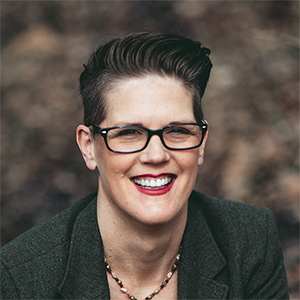
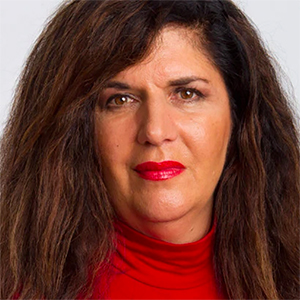
Retired Lt. Diane Goldstein is a 21-year police veteran and executive director of the Law Enforcement Action Partnership, known as LEAP, a nonprofit group of police, judges and other law enforcement professionals who support policies that improve public safety and police-community relations.
___
©2025 Chicago Tribune. Visit at chicagotribune.com. Distributed by Tribune Content Agency, LLC.



























Comments