Winter storms don’t have to be deadly – here’s how to stay safe before, during and after one hits
Published in Science & Technology News
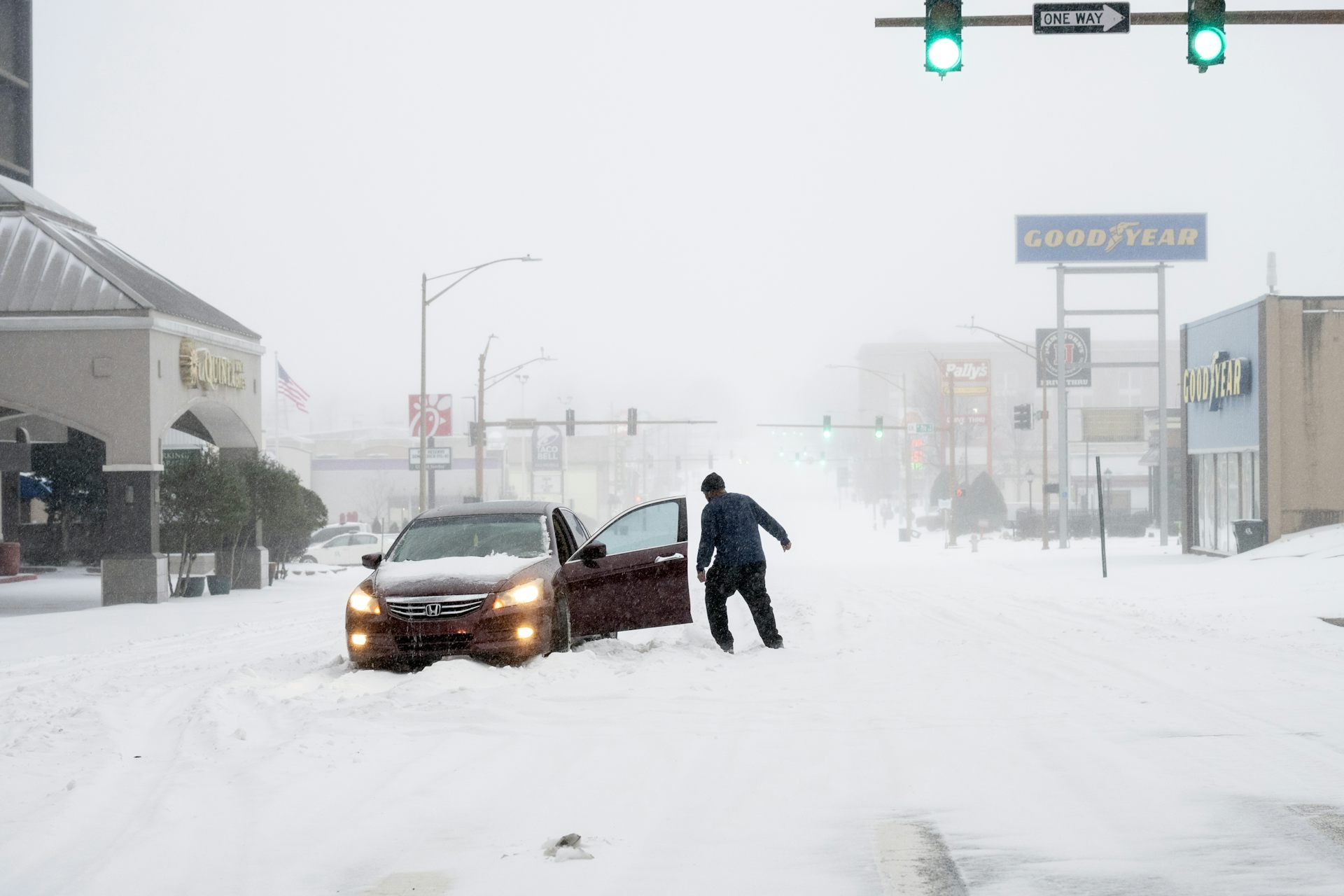
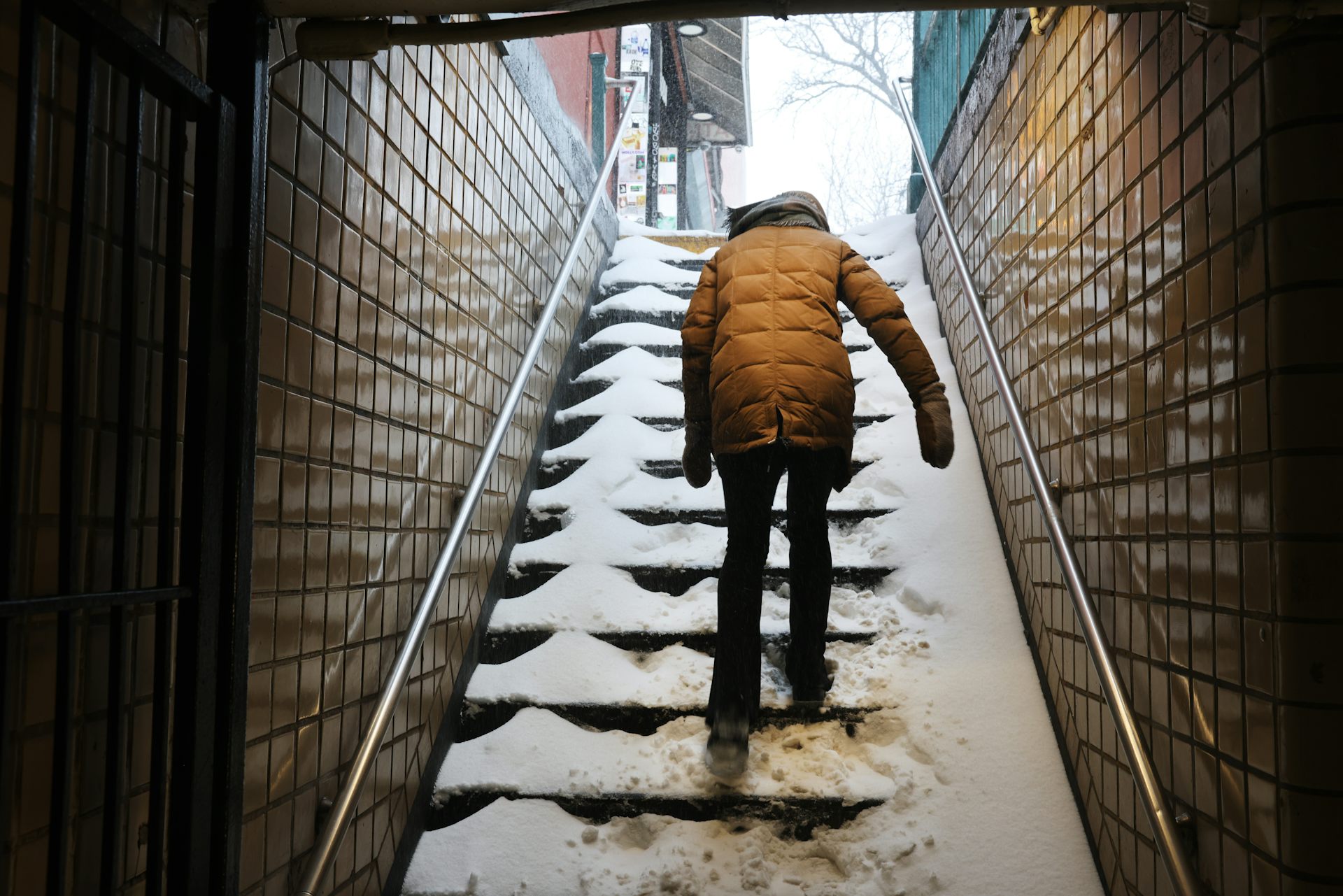



A powerful winter storm that swept across the United States in late January 2026, leaving hundreds of thousands of people without power in freezing temperatures for days, has been linked to at least 80 deaths. And several East Coast states are under a new winter storm warning just days later.
The causes of the deaths and injuries varied. Some people died from exposure to cold inside their homes. Others fell outside or suffered heart attacks while shoveling snow. Three young brothers died after falling through ice on a Texas pond. Dozens of children were treated for carbon monoxide poisoning from improperly used generators or heaters.
These tragedies and others share a common theme: Winter storms pose multiple dangers at once, and people often underestimate how quickly conditions can become life-threatening.
I’m the associate director of the Hazards Vulnerability and Resilience Institute at the University of South Carolina, where we work on ways to improve emergency preparedness and response. Here is what people need to know to reduce their risk of injury during severe winter weather.
Preparation makes the biggest difference when temperatures drop, and services fail. Many winter storm injuries happen after power outages knock out heat, lighting or medical equipment.
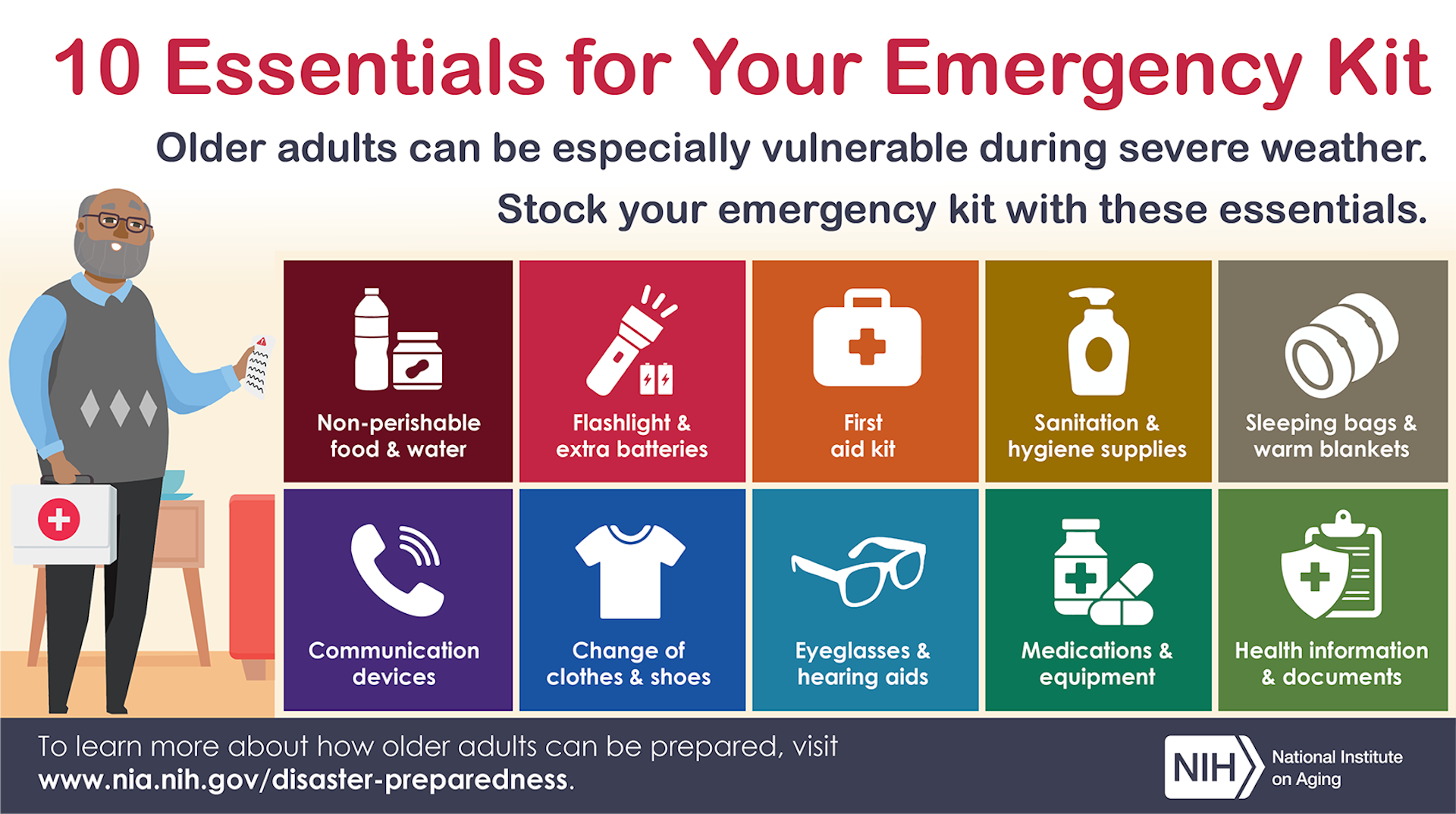
Start by assembling a basic emergency kit. The Federal Emergency Management Agency recommends having water, food that does not require cooking, a flashlight, a battery-powered radio, extra batteries and a first-aid kit, at minimum.
In wintertime, you’ll also need warm clothing, blankets, hats and gloves. When you go out, even in a vehicle, make sure you dress for the weather. Keep a blanket in the car in case you get stranded, as hundreds of people did for hours overnight on a Mississippi highway on Jan. 27 in freezing, snowy weather.
Portable phone chargers matter more than many people realize. During emergencies, phones become lifelines for updates, help and contact with family. Keep devices charged ahead of the storm and conserve battery power once the storm begins.
If anyone in your home depends on electrically powered medical equipment, make a plan now. Know where you can go if the power goes out for an extended period. Contact your utility provider in advance to ask about outage planning, including whether they offer priority restoration or guidance for customers who rely on powered medical equipment.
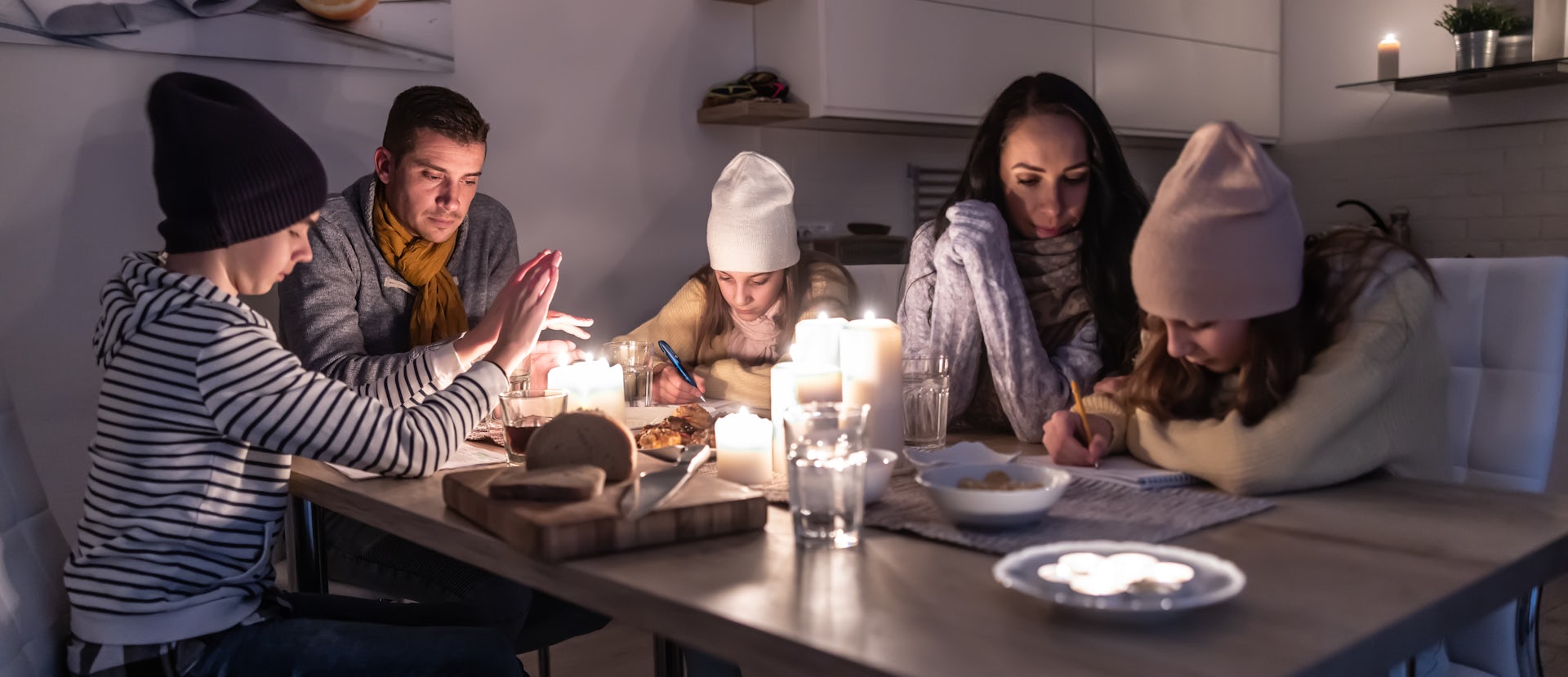
Loss of heat is one of the most serious dangers of winter storms. Hypothermia can occur indoors when temperatures drop, especially overnight.
If the power goes out, choose one room to stay in and close its doors to keep the warmth inside. Cover windows with curtains or blankets. Wear loose layers and a knit hat to keep your own body heat in, even indoors. Remember to also eat regular snacks and drink warm fluids when possible, since the body uses energy to stay warm.
It might seem tempting, but don’t use camp stoves, outdoor grills or generators inside a home. These can quickly produce carbon monoxide, an odorless and deadly gas. During the January storm, one Nashville hospital saw more than 40 children with carbon monoxide poisoning linked to unsafe heating practices.
If you must use a generator, keep it outdoors and far from windows and doors. Make sure your home’s carbon monoxide detectors are working before storms arrive.
If your home becomes too cold, go to a warmer place, such as a friend’s home, a warming center or a public shelter. You can call 2-1-1, a nationwide hotline, to find local options. The American Red Cross and the Salvation Army also list open shelters on their websites. Several states maintain online maps for finding warming centers and emergency services during winter storms, including Kentucky, Louisiana, Mississippi, New York, Tennessee, and Texas.
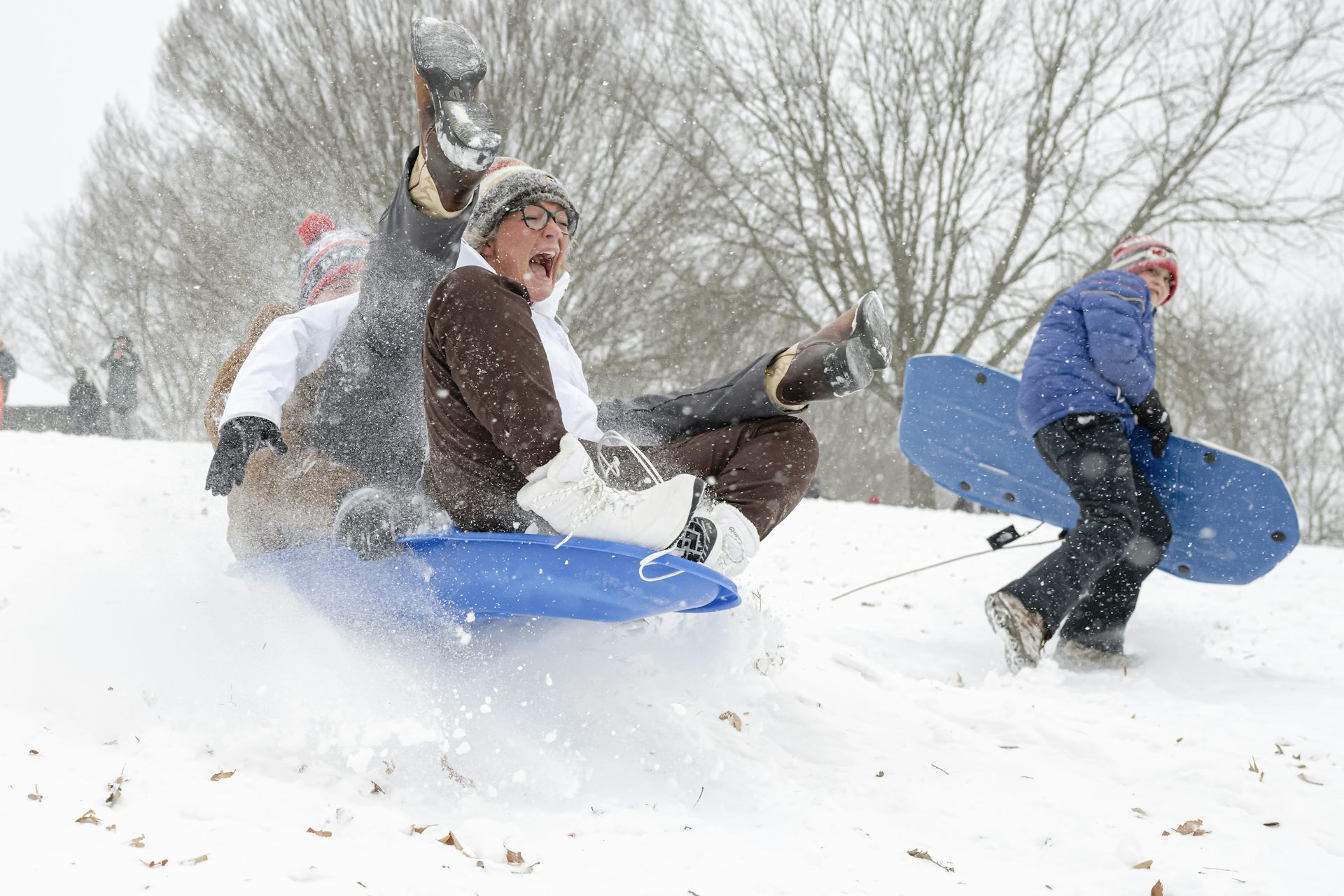
Winter storms make everyday activities dangerous. Ice turns sidewalks into slippery hazards. Snow shoveling strains the heart. Frozen ponds and lakes might look solid but often are not as the ice can change quickly with weather conditions.
Walking on icy surfaces, even your own sidewalk, requires slow steps, proper footwear and full attention to what you’re doing. Falls can cause head injuries or broken bones, and it can happen with your first step out the door.
Shoveling snow is a common risk that people often overlook, but it deserves special caution. The actions of shoveling in cold weather can place intense strain on the heart. For people with heart conditions, it that extra strain can trigger heart attacks.
If you’re shoveling, take frequent breaks. Push snow instead of lifting when possible. And stop immediately if you feel chest pain, dizziness, or shortness of breath.
Winter storms disrupt information flows. Cell service fails. Internet access drops. Power outages silence televisions.
In my research on heat and storm emergencies, people frequently rely on personal networks to share updates, resources, and safety information. With that in mind, check on family, friends and neighbors, especially older adults and people who live alone.
Research I have conducted shows that nearby social ties matter during disasters because they help people share information and act more quickly when services are disrupted. Make sure that the information you’re sharing is coming from reliable sources – not everything on social media is. Also, let others know where you plan to go if conditions worsen.
Use multiple sources for information. Battery-powered radios remain critical during winter storms. Sign up for local emergency alerts by email or text. Studies have found that in regions accustomed to frequent hazardous weather, people often take actions in response to risks more slowly when they don’t have reliable local updates or clear alerts.
Many injuries happen because people delay actions they know they need to take. They wait to leave a house that’s getting too cold or at risk of damage by weather, such as flooding. They wait to ask for help. They wait to adjust plans.
In research I contributed to on evacuation drills involving wildfires, people who practiced their evacuation plan in advance were more likely to react quickly when conditions changed. Talking through evacuation plans for any type of emergency, whether a hurricane or a winter storm, builds people’s confidence and reduces their hesitation.
Take time each winter to review your emergency supplies, communication plans, and heating options.
Winter storms will test your preparation, judgment, and patience. You cannot control when the next one arrives, but you can decide how ready you will be when it does.
This article is republished from The Conversation, a nonprofit, independent news organization bringing you facts and trustworthy analysis to help you make sense of our complex world. It was written by: Brett Robertson, University of South Carolina
Read more:
How the polar vortex and warm ocean intensified a major US winter storm
Blizzards are inescapable − but the most expensive winter storm damage is largely preventable
The western US is in a snow drought, and storms have been making it worse
Brett Robertson receives funding from the National Science Foundation (Award #2316128). Any opinions, findings, conclusions, or recommendations expressed in this material are those of the author and do not necessarily reflect the views of the National Science Foundation.







Comments