In new museum, AI will ensure Holocaust survivors' stories live on
Published in Lifestyles
ORLANDO, Fla. — Suzanne Schneider spent International Holocaust Day, observed each Jan. 27, answering questions: Were you afraid? Were you in a concentration camp?
Her answers — with the high-tech help of artificial intelligence — will help ensure future generations understand the horrors of the Holocaust, the Nazi-led genocide that killed 6 million Jews and millions of others from 1933 to 1945.
“It’s a responsibility,” she said. “I just have to do it.”
Schneider spent multiple days recording her personal testimony about what she experienced as a Jewish girl in Poland while Hitler consolidated power in neighboring Germany. Her story of bravery includes hiding in a chicken coop, where she wasn’t allowed to speak for fear of discovery, and pretending to be a distant relative of a Catholic couple who took her into their home when she became ill.
Her memories will live on at the core of the Holocaust Museum for Hope & Humanity, coming to Orlando.
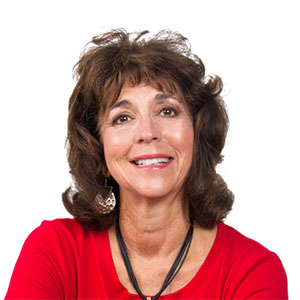
“I think it’s funny, really,” said Schneider, 88, who lives in Winter Park. “I’ll be dead, and then I’ll still be talking, in my red pants.”
A representative from StoryFile, a Los Angeles-based company that uses AI to allow video-based conversations with people who aren’t actually there, was asking Schneider the questions at Green Slate Studios in south Orlando.
Sitting in front of a “green screen,” which allows backgrounds to be inserted digitally later, and clad in bright and cheerful red, Schneider answered not only the big questions about what she remembers, but hundreds of other questions future museum visitors might ask.
She has plenty of experience in answering questions from her years of speaking in front of groups, often schoolchildren.
Did she eat her pet chicken? Was she tattooed with a number? Did she meet Hitler?
“It’s always the boys” who ask that last question, she said with a chuckle.
The idea is that future visitors will be able to ask Schneider — or rather, her digital facsimile — these and dozens of other questions face to face, with AI making the exchange conversational. By creating an experience so up close and personal, museum officials hope the lessons about the Holocaust will touch the heart as well as the brain.
The museum also recorded another Central Florida Holocaust survivor, Harry Lowenstein, who is 94. He was separated from his parents as a teen and placed in several camps.
“It’ was incredible he was able to survive,” said Suzanne Grimmer, senior director of museum experiences at the Holocaust Memorial Resource & Education Center of Florida, which is planning the Holocaust Museum for Hope & Humanity. “He remembers Kristallnacht” — the 1938 pogrom that turned the Nazis’ discriminatory laws into outright state-sanctioned violence against Jews.
“Middle schoolers and high schoolers can relate to his story,” Grimmer said. “I think they see themselves in it.”
The Holocaust Center also plans to have StoryFile record two Central Florida “liberators” — those Allied troops who first saw the death camps as the Nazis were driven to defeat.
The technology doesn’t come cheap. It costs about $250,000 per subject, said interim Holocaust Center CEO Emily Sterling, when you factor in the interview recording time, the creation of the digital interface museum visitors with which museum visitors will interact, equipment and staff time to create the educational resources around the interview.
But leaders of the Holocaust Center, which is seeking sponsors for the StoryFile expense, believe it essential to their mission to connect with Central Floridians in a museum for the future.
“We have made efforts to really root the core experience of the new museum in Florida stories,” Grimmer said. “That’s really important to us.”
The move toward local stories of the era has resulted in adjustments to the Holocaust’s Center high-profile partnership with USC Shoah Foundation, founded by filmmaker Steven Spielberg after he directed the 1993 Holocaust film “Schindler’s List.”
That California-based organization has an extensive library of Holocaust survivors’ accounts, captured on video using similar AI technology and known as “Dimensions in Testimony.” Originally, some of those stories would have been the centerpiece of the new museum — before the emphasis turned to Florida residents.
The partnership with the USC Shoah Foundation will continue, Grimmer said, with its resources being used more for the Holocaust Center’s educational efforts.
“We’ve really leaned into using that for education. We use ‘Dimensions in Testimony” every time there’s a field trip,” she said. “But our local stories haven’t been recorded by the Shoah Foundation. So that fell to us.”
The Holocaust Center, currently located on the campus of the Roth Family Jewish Community Center in Maitland, last month unveiled a new centerpiece exhibition that previews the new museum’s focus on local stories. The Holocaust Museum for Hope & Humanity is hoped to open in the former Orlando Chamber of Commerce building on Orange Avenue north of downtown in 2027.
In the new museum, Schneider and others recorded by Storyfile will appear on life-size screens.
“When you walk by her, it will start a conversation,” said Grimmer, pointing out that the AI will not only be able to answer some 450 questions in Schneider’s voice but respond to greetings such as “Good morning” or “Hello.”
“We will put a chair across from her and you can talk,” Grimmer said.
Schneider is pleased that through StoryFile’s technology she can contribute to Holocaust education for decades to come.
“It’s an obligation I have,” she said. “As long as I can do it, I’m going to do it. It’s history, and it has to be told.”
©2026 Orlando Sentinel. Visit at orlandosentinel.com. Distributed by Tribune Content Agency, LLC.












Comments