Ask the Pediatrician: Why bullying hurts all children and what parents can do about it
Published in Health & Fitness
Every day, thousands of kids suffer the fear, shame and frustration of being bullied. More than 19% of children aged 12 to 18 say they have been targeted by peers, with a frightening number of cases happening online. Here's what every parent needs to know about bullying and the actions that can help stop it.
Kids can be cruel, as the old saying goes. But bullying is a next-level threat that harms children on both sides of the conflict, with short term as well as long term consequences. Research shows that bullies and their targets do poorly in school, often dropping out before earning a high-school diploma. Many face anxiety, depression or substance use as adults, fueling physical health problems that feed on stress. Bullying is not merely a normal childhood experience, but rather it’s a major public health concern.
There are different forms of bullying: physical, verbal and social. Physical bullying happens when a child hits, kicks, trips, pushes, chokes or otherwise hurts another child. Stealing, hiding or damaging a child's belongings is another form of physical bullying. Verbal bullying can mean teasing, taunting, name-calling or threatening another child out loud or in writing. Repeated insults based on gender, race, sexual identity, weight, appearance and other personal traits can be part of the pattern.
Social bullying happens when two or more kids go after another child. They may try to shame and isolate their target, leaving them out of activities or spreading rumors about them. Encouraging other kids to join in can intensify the effect. Online bullying is when kids attack their peers through texts, social media, chat rooms, gaming channels and other digital spaces. This type of bullying can be more difficult to recognize.
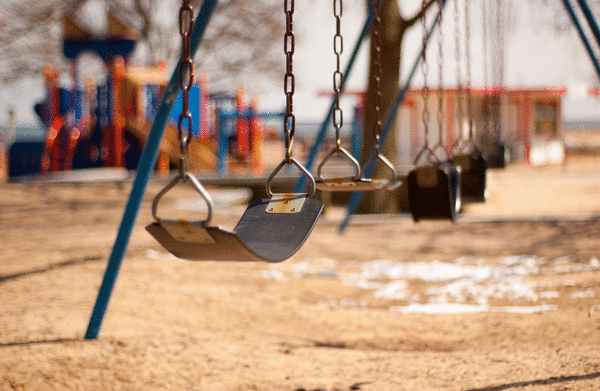
Kids who bully pick the time and place carefully — both to gain attention and avoid getting caught. Beyond school, bullying can also happen in other places like the school bus or bus stop, during field trips and in places like playgrounds, gyms, pools, sports fields and even houses of worship.
Bullying is often about power. Young bullies may try to seem more important by picking on others who seem different. Children with larger or smaller bodies, for example, are often targeted. So are kids from different racial, ethnic, social or religious backgrounds. Physical differences and intellectual disabilities can be a target for bullies as well.
Female children are bullied more often than males in the U.S. They're also more likely to face harmful comments about their bodies or be the target of sexual jokes meant to embarrass them. Additionally, kids who identify as LGBTQ face even greater risks.
Where a child lives can also play a role. Research shows that kids in small towns and rural areas are bullied more often than those in cities or suburbs.
Some kids bully because they want to feel powerful or in control. They might feel like they don’t have enough power in other parts of their life. Sometimes they may even be victims of bullying themselves and are just passing along the hurt they feel or they may be attempting to take back some power they feel they’ve lost.
There are signs you can look for if you suspect your child is the victim of bullying. These can include physical symptoms such as headaches or stomachaches. There can be noticeable changes in behavior like changes in eating habits, trouble sleeping, nightmares, worsening grades and hating or avoiding school or other places where they would typically have social interactions. Other noticeable concerns include lost items that could indicate they are being stolen, and a sudden loss of friends or a new layer of stress to existing friendships. The most concerning signs of bullying are unexplainable injuries, self-harm or talk of suicide.
The first thing you should do if your child comes to you with a bullying problem is to listen with love and without judgment. Ask them exactly what happened and when. Reaffirm that you are there to help them find solutions. Keep in mind that a child may not be ready to share because they feel embarrassed or ashamed. Let them know that they can talk with to you when they're ready.
You might feel tempted to call the bully's parents or rush over to meet with the principal. Focus first on helping your child feel more powerful in the situation. If the bullying doesn't stop, do seek help from school leaders, counselors, teachers, coaches and others, including your pediatrician.
It can also help to show your child how to look the aggressor in the eye, stand still and calmly walk away. This takes a lot of courage, so offer to rehearse with them until it feels natural.
Asking a bully, "Why would you do (or say) that?" can weaken their sense of power in the moment. Other responses to try include "I'll talk to you, but I'm not going to fight" and "I'm not afraid to get help if you don't stop."
It’s also important to encourage friendships your child has that appear healthy. Kids with healthy friend groups to support them are less vulnerable to bullies. If they don't have many friends at school, explore local groups where they can meet kids their age. Encourage sports, clubs and hangouts.
If you see signs that your child is hurting, shaming or excluding someone, take action right away. They will need your support in learning new ways to treat others. Require them to treat others with respect — even kids they might dislike or disagree with.
Make sure your child understands what bullying is and why it's wrong. Set firm, consistent limits on hurtful words or actions and model kindness and tolerance in your dealings with others so your child has a reference. If they are engaging in bullying, discipline them in non-physical ways that don't encourage aggression. Use positive discipline strategies that teach responsibility and empathy. Be sure to praise and encourage them when they show kindness and appropriate behavior
You can also explore possible reasons why they are bullying. You may find out they are experiencing trauma as hurt people hurt people. If that's the case, talk with their pediatrician or a mental health provider for support.
Help build your child up to be the person who stands up for those who are being bullied. Teach them not to just sit and watch. Instead, they can yell "Stop!" and help the bullied child walk away. Have them take the bullied child to a trusted adult and encourage them to be a friend. They'll feel less alone — and it sends the message that bullying is never OK.
Bullying isn't just "kids being kids." It's a problem that all parents, caregivers, teachers and school leaders must take seriously. A community approach is the best way to ensure that all kids feel safe wherever they go.
____
Mahvash Madni, MD, FAAP is the creator of “Down the Yellow Brick Road...A Journey with your Pediatrician” podcast. She is an outpatient pediatrician and pediatric hospitalist for a community hospital in Upstate New York.
©2025 Tribune Content Agency, LLC.








Comments