Ask the Pediatrician: First aid for a knocked-out permanent tooth
Published in Health & Fitness

A knocked-out tooth, often from a fall or sport injury, can be frightening for both children and parents. Knowing what to do in those first few minutes can make all the difference, especially with a permanent tooth.
If your child loses a baby tooth earlier than expected, there’s no need to try to replace it. In most cases, no treatment is necessary. The adult tooth will eventually come in on its own. But if a permanent tooth comes out, it's a dental emergency that requires swift action.
Permanent teeth have the best chance of being saved when placed back in the socket within 15 minutes. You may still be able to save it within the first hour if you act quickly and carefully.
Go to the dentist or emergency room right away after following these steps:
1. Find the tooth as soon as possible. Carefully pick it up by the crown (the part you chew with)—not the root (the end that goes into the gums). Touching the root can damage delicate cells needed for reattachment.
2. Rinse the tooth gently with milk or saline solution. Do not use tap water to rinse it, and DO NOT SCRUB THE TOOTH.
3. Try to reinsert the tooth. If you feel comfortable, try to place the tooth back into its socket. Then, have your child bite down gently on a piece of gauze or cloth to hold it in place.
If you are unable to reinsert the tooth into the socket, KEEP THE TOOTH MOIST while seeking emergency care. You can place the tooth in a container with milk, saline or balanced salt solution (like Save-A-Tooth), or your child’s saliva. Do not store the tooth in tap water.
After following these steps, go immediately to your child’s dentist or the nearest emergency room. Let them know you’re coming and that your child has a knocked-out permanent tooth.
____
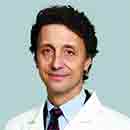
Stuart Bradin, DO, FAAP, FACEP, is a board-certified pediatric emergency medicine physician at C.S. Mott Children's Hospital and an assistant medical director for Survival Flight. He is a professor of Emergency Medicine and Pediatrics and is involved locally, regionally and nationally in pediatric disaster preparedness, with special clinical interest in critical care, trauma, and sepsis.
©2025 Tribune Content Agency, LLC.








Comments