Gas tax holiday ending soon. NC lawmakers leave without extending pause
Published in News & Features
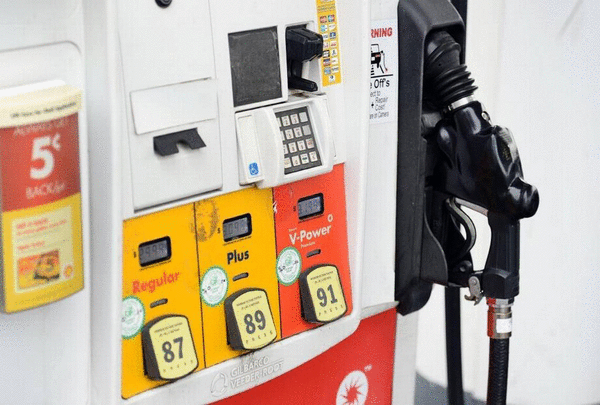
RALEIGH, N.C. — Gas prices in North Carolina are about to go back up.
The state gas tax has been on pause since mid-October, when the Republican-controlled General Assembly suspended it to provide drivers some relief. But that tax holiday expires Nov. 30.
The state gas tax is 41 cents per gallon. After the United States went to war with Iran, prices in North Carolina shot up to more than $4 per gallon, including tax.
The average price of gas in North Carolina, as of Nov. 17, is down to $3.08 per gallon, but that’s with the tax holiday in place. If the tax were back, that average could be as much as $3.49 — depending on how much of the tax savings is being passed along to consumers at the pump. The national average is $3.78 per gallon, according to AAA.
Lawmakers were back in Raleigh for a one-day session on Tuesday, but did not extend the tax break that Democratic Gov. Josh Stein signed into law on Oct. 9.
The pause was passed in the weeks leading up to the midterm elections, after Republican leaders called the legislature back for a special session. The measure received near-unanimous support, as high costs were a key issue for voters in the November election.
Why lawmakers are letting the gas tax pause expire
Republican House Speaker Destin Hall said a few House Republicans discussed extending the gas tax holiday, but not to the point of including it in the budget adjustment bill they passed on Tuesday containing other spending.
“If you look at what’s happening with the market right now, gas prices are going down to some degree themselves. What we did certainly helped it to a degree. You’re seeing the market improve right now, and so we’ll keep monitoring it,” Hall told The N&O as he spoke with reporters on the House floor after the voting session.
He didn’t rule out proposing another tax pause if prices shoot back up in the next few weeks before lawmakers return for another session, “but thankfully the market’s improving to a degree to where they’re going down some, anyway,” he said. “Hopefully that’ll continue on — still too high, but much, much improved from what it was back in August, September, October.
As for the Senate, Republican leader Phil Berger said Tuesday that he doesn’t want to extend the holiday. He noted that it would expire before the Senate comes back into session again Nov. 30.
“We made a decision to pause the gas tax for a certain period of time. I personally see no reason for us to change that,” he said, adding that other lawmakers might.
Democratic Sen. Lisa Grafstein also told reporters Tuesday that gas prices are coming down now, which she described as “a good thing,” and said it would be unwise to continue the pause.
She noted pointed to the more than $300 million that the state gave up by not collecting the tax, which funds highways and other transportation projects. The money was pulled from savings reserves, so road projects were not affected.
“We all want gas to cost less. I actually don’t think it’s a good thing to extend the gas tax holiday at this point,” Grafstein said.
Gas prices topped $4 per gallon in early October, when the pause began.
“This bill will deliver relief for North Carolina families, people who need real solutions now,” Stein said when he signed the bill, because “the cost of living is too high for too many North Carolinians.”
When asked about extending the pause last week, Stein told The N&O that he’d have to study it.
“Obviously, you can’t extend it forever because it’s about $300 million every six weeks, and we have to invest in our roads. Otherwise, our infrastructure starts to crumble. It makes it hard for agriculture to get their products to market, it makes it hard for people to get to work,” he said.
The money for the gas tax pause has come from the state’s Stabilization and Inflation Reserve. Now lawmakers want money from the same fund to go to schools to cover increased fuel costs — an extra $40 million this fiscal year. The money, if the budget technical corrections bill becomes law, would be given to public schools based on need and fuel costs.
The same bill also provides $1 million this year to public schools’ driver’s education funds, also for increased fuel costs. The House and Senate both passed the bill, which includes millions of dollars in other spending, on Tuesday. It now goes to Stein’s desk for action.
©2026 The News & Observer. Visit at newsobserver.com. Distributed at Tribune Content Agency, LLC.






Comments