On Passover, some Sephardic Jews revisit not only the story of their ancestors, but also their Ladino language
Published in News & Features

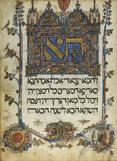
When Passover arrives each spring, Jewish families around the world gather at their tables to retell a story passed down for thousands of years. At ritual dinners known as Seders, they recount the Exodus, the biblical story of the Israelites’ liberation from slavery in Egypt – asking questions, singing songs and explaining the meaning behind symbolic foods like matzo.
In the United States, most Seders move between English, Hebrew and Aramaic, which was once the lingua franca of much of the ancient Middle East. In some homes, another language joins the table: Ladino, a form of Judeo-Spanish that Jews carried across the Mediterranean after being expelled from Spain in 1492.
Multilingualism has long been part of Jewish tradition. For Sephardic Jews who spent centuries in Ottoman and Muslim lands after their forced exodus from Spain – or Sepharad, as it is called in Hebrew – Ladino has played a central role at Passover. For many families today, the holiday provides a rare opportunity to hear the now-endangered language spoken aloud – a focus of my sociolinguistic research.
My work with Sephardic communities has demonstrated the ways in which the language is preserved across generations. Just as the story of Passover is transmitted each year, the holiday also provides a recurring encounter with Ladino.
To the ear, Ladino sounds very much like Spanish. However, it has been shaped by many other languages with which its speakers have come into contact: Hebrew, Arabic, Portuguese, French, Italian and Turkish, to name a few.
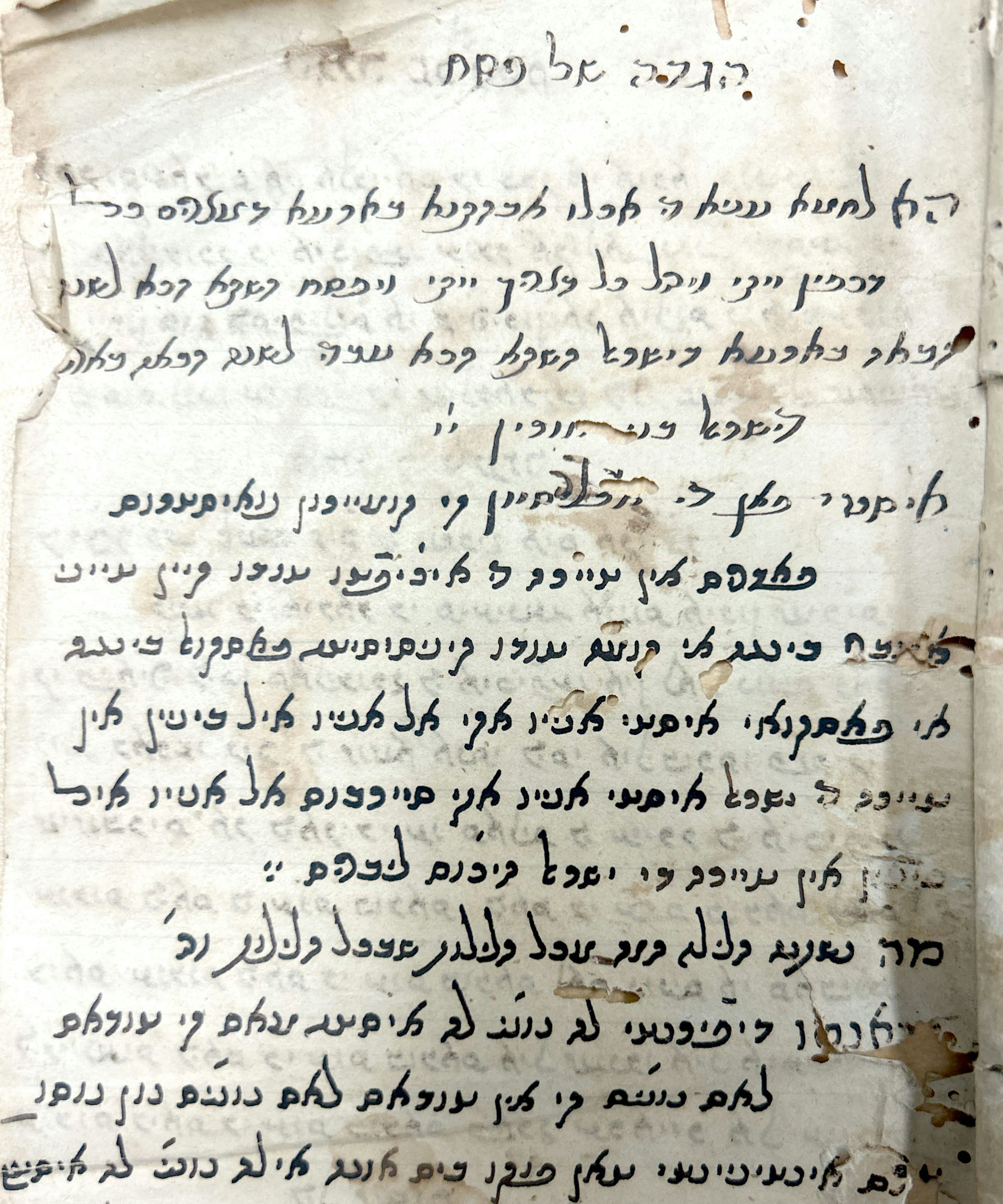
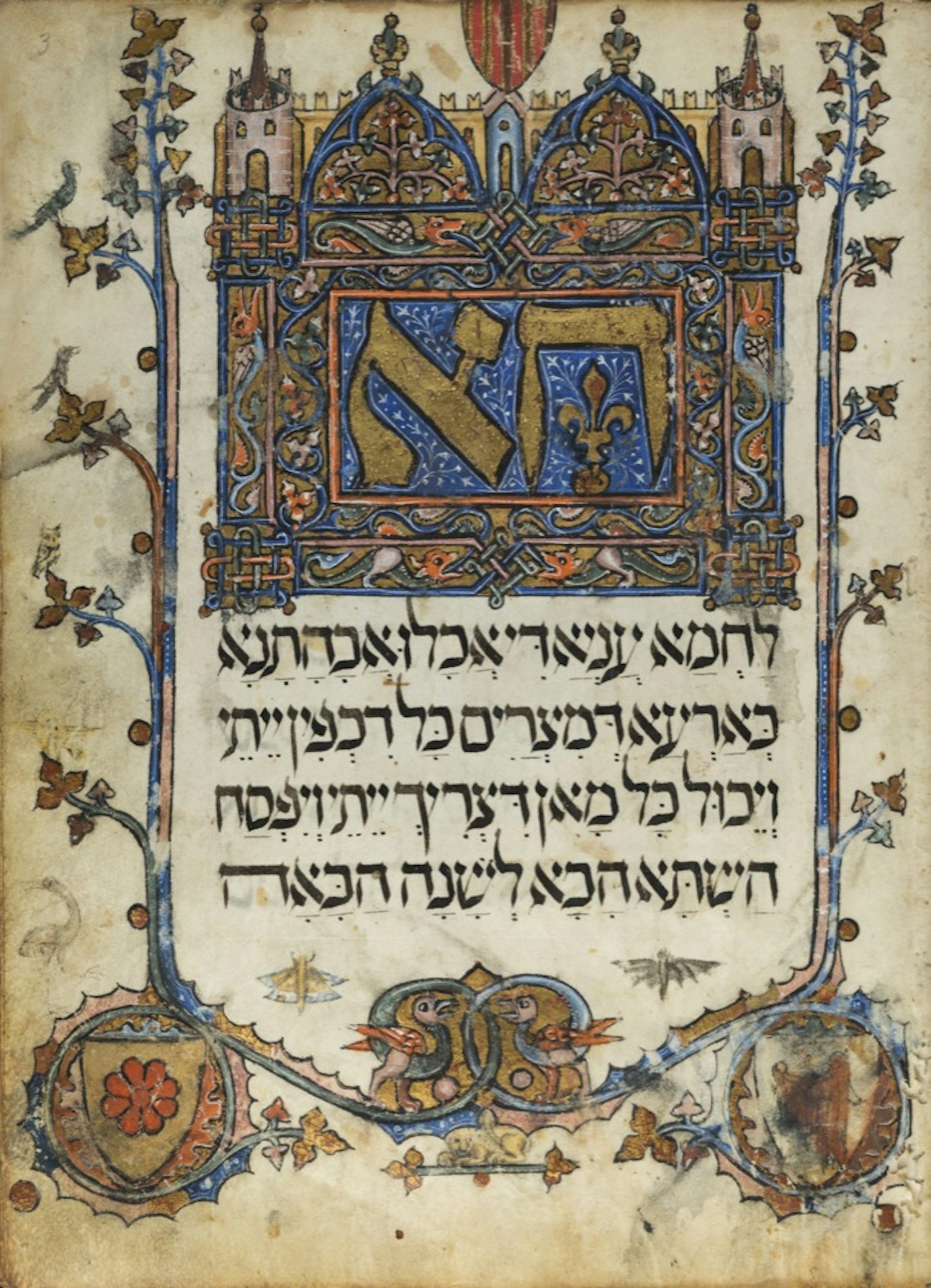
To the eye, however, Ladino used to look very different; it was traditionally written in Hebrew-based characters. Over the past century, most people who write the language have used the Latin alphabet.
Meanwhile, Ladino speakers assimilated to the majority languages of their countries – that is, if they were not from communities entirely wiped off the map during the Holocaust. Today, Ladino is an endangered language, spoken mostly by older Sephardic Jews.
However, since the turn of the 21st century, speakers from around the world have found new opportunities to communicate with each other, especially online.
Most speakers can be found in Israel, Turkey and the United States. A 2025 report from JIMENA, a Jewish nonprofit based in California, estimates that about 10% of Jews in the U.S. are Sephardic and/or Mizrahi. The latter term includes other populations of Jews from around the Middle East and North Africa. The Pew Research Center estimates that 4% of American Jews are Sephardic or Mizrahi, and another 6% say they are a combination of those groups and Ashkenazi – the term for Jews with ancestors from Eastern Europe.
“Ladino” is regularly used to refer to the everyday spoken language of Judeo-Spanish. Many native speakers simply call it “Spanyol” or “Espanyol.”
However, some speakers and scholars use the term “Ladino” to refer to a very particular variety: the form of the language found in religious materials like the Haggadah, the text that guides the Seder ritual. For many Sephardim, the word “Haggadah” also refers to the Seder itself.
This variety of Ladino preserves the structure of Hebrew, using a word-for-word translation – what linguists call a “calque.” For example, a native speaker might say “esta noche,” as in other varieties of Spanish, to refer to “tonight.” The Ladino textual tradition, though, reads “la noche la esta.” This mirrors the word order of the Hebrew phrase: “ha-laylah ha-zeh,” or “the night the this.”
That this practice has endured for centuries is both remarkable and, in some ways, unsurprising.
Sephardic populations once regularly spoke Judeo-Spanish as an everyday language, reserving the calque variety for religious or instructional contexts. Today, though, the spoken language is rarely transmitted to younger generations and has entered what linguists call a “post-vernacular” phase.
Many Sephardic Jews have completely lost the language of their ancestors, but others have preserved it and even found new ways to use it. One New York native with Sephardic roots in Turkey who I interviewed said she uses Ladino not just with relatives, friends and students, but even with “neighbors and Uber drivers, who are very interested in knowing more; when speaking to animals; or thinking by myself.”
Still, the calque variety – the word-for-word translation from Hebrew – persists. Importantly, someone does not need to be fluent in the spoken language to participate, just as many Jews can recite prayers, lists and songs in Hebrew and Aramaic without necessarily being able to communicate in those languages. In this sense, engaging with multiple languages is a natural part of Jewish cultural practice.
Just as Passover tells the story of the ancient Israelites’ exodus and liberation, the use of Ladino today is a story of survival.
In my research, American Sephardim share that it is important to preserve their families’ heritage, referring to themes such as tradition, ancestry, memory and nostalgia. One Los Angeles native with roots in Turkey and Greece noted that it’s important “to honor our family members who survived to pass things along to us … to create new memories for the next generation. I think my kids cherish that their Passover is different from others.” Another, a Seattle native with roots on the Greek island of Rhodes, said, “I want to keep it alive in some way or another. And the only way I’m able to do that is by using it at the Seder.”
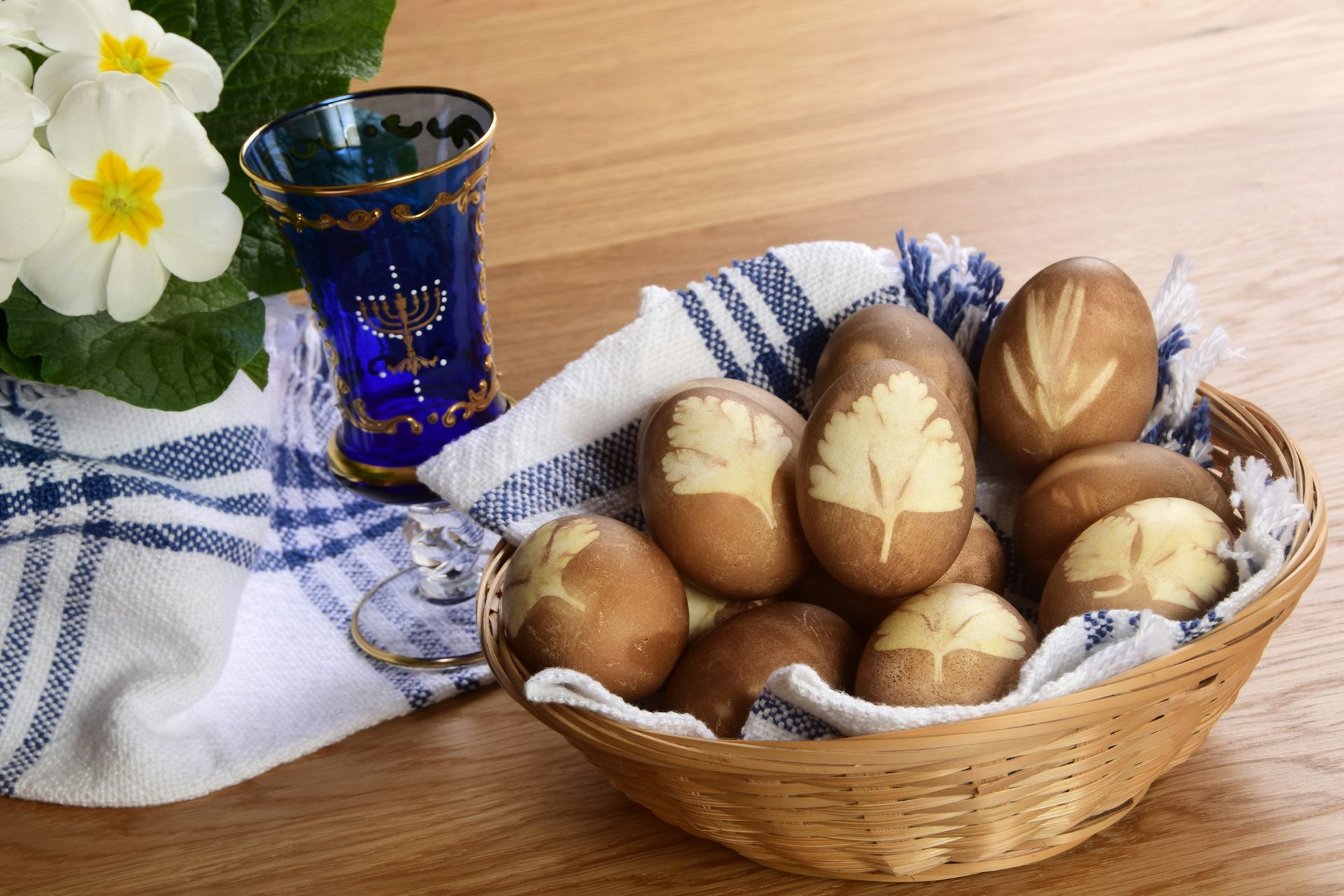
Beyond the read-aloud portions of the Haggadah, Sephardim of different generations keep Judeo-Spanish alive through songs and cuisine. Traditional dishes include “mina de karne,” meat pie; “keftes de prasa,” leek patties; “guevos haminados,” slow-cooked eggs; “bimuelos,” fried fritters; and even “arroz,” rice – a staple in some communities, but less common in others.
The Seder provides many different ways to engage with the language, often alongside older generations who acquired varying degrees of proficiency from their forebears. One Los Angeles native whose family came from Rhodes shared that all five generations of her family and their guests sing Ladino songs like “Un Kavretiko” – which many other Jews know as “Chad Gadya,” or “One Little Goat” – and “Ken Supiense,” or “Who Knows One?” Each family makes deliberate decisions about language use, customizing traditions and even the Haggadah text to suit their cultural and linguistic needs.
Like the Passover story itself, Ladino persists through the voices of relatives who learned the language from generations before them. For many Sephardic families, the Passover Seder remains one of the few moments each year when these sounds return to the table, linking the past and present through shared practices of storytelling, memory and language.
This article is republished from The Conversation, a nonprofit, independent news organization bringing you facts and trustworthy analysis to help you make sense of our complex world. It was written by: Bryan Kirschen, Binghamton University, State University of New York
Read more:
Why is Passover different from all other nights? 3 essential reads on the Jewish holiday
Remembering the longest journey to Auschwitz – the deportation of Rhodes’ Jews decimated a small but vibrant community with centuries of Mediterranean history
Campuses are ground zero in debates about antisemitism − but that’s been true for 100 years
Bryan Kirschen is affiliated with the American Ladino League.






Comments